
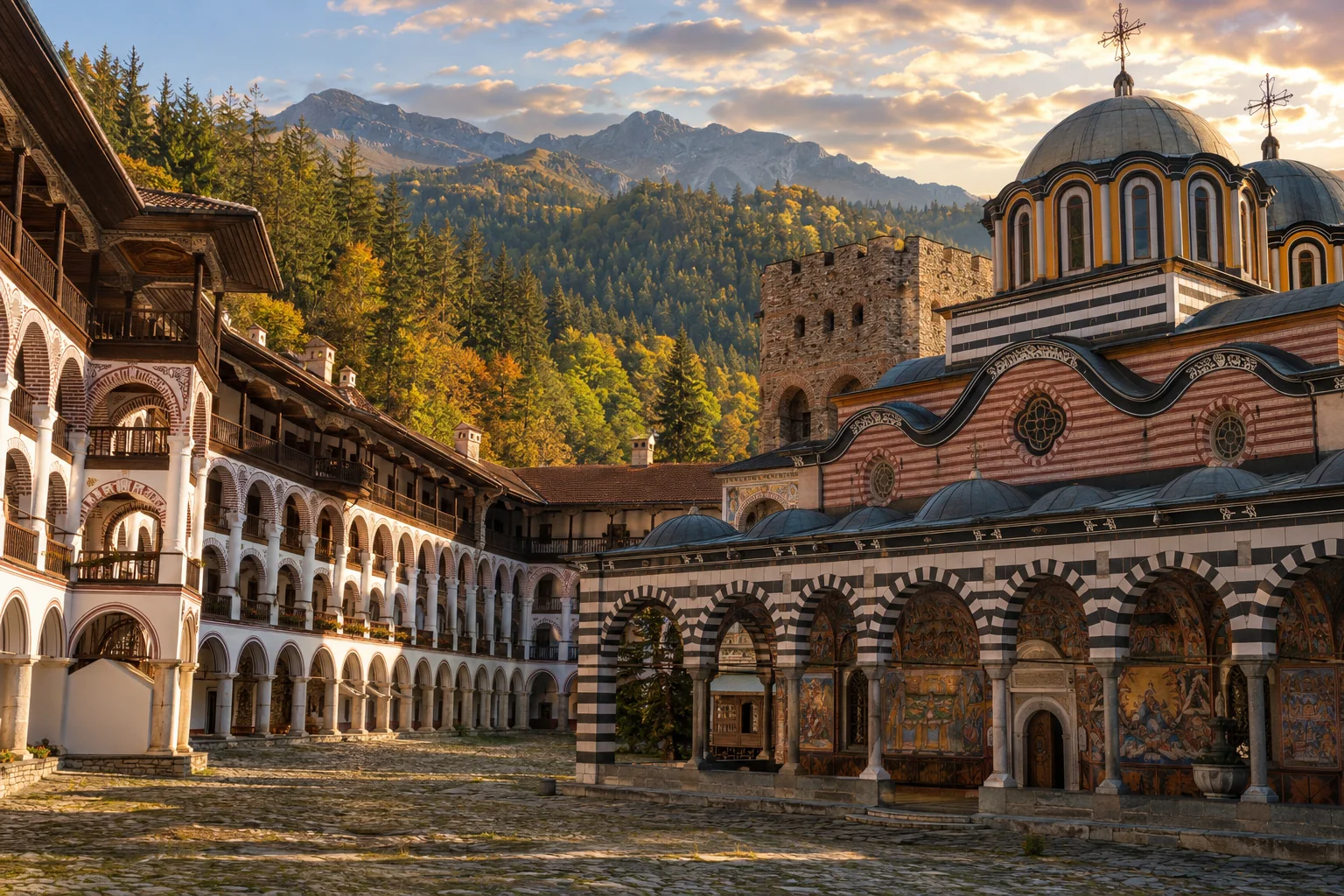
Bulgaria
Affordable EU country with a 10% flat tax, mountains, a lively capital and Europe's best-known ski-town nomad scene.
Bulgaria
Digimad score
7.7
Very good
Best for Low cost + Mountains
About
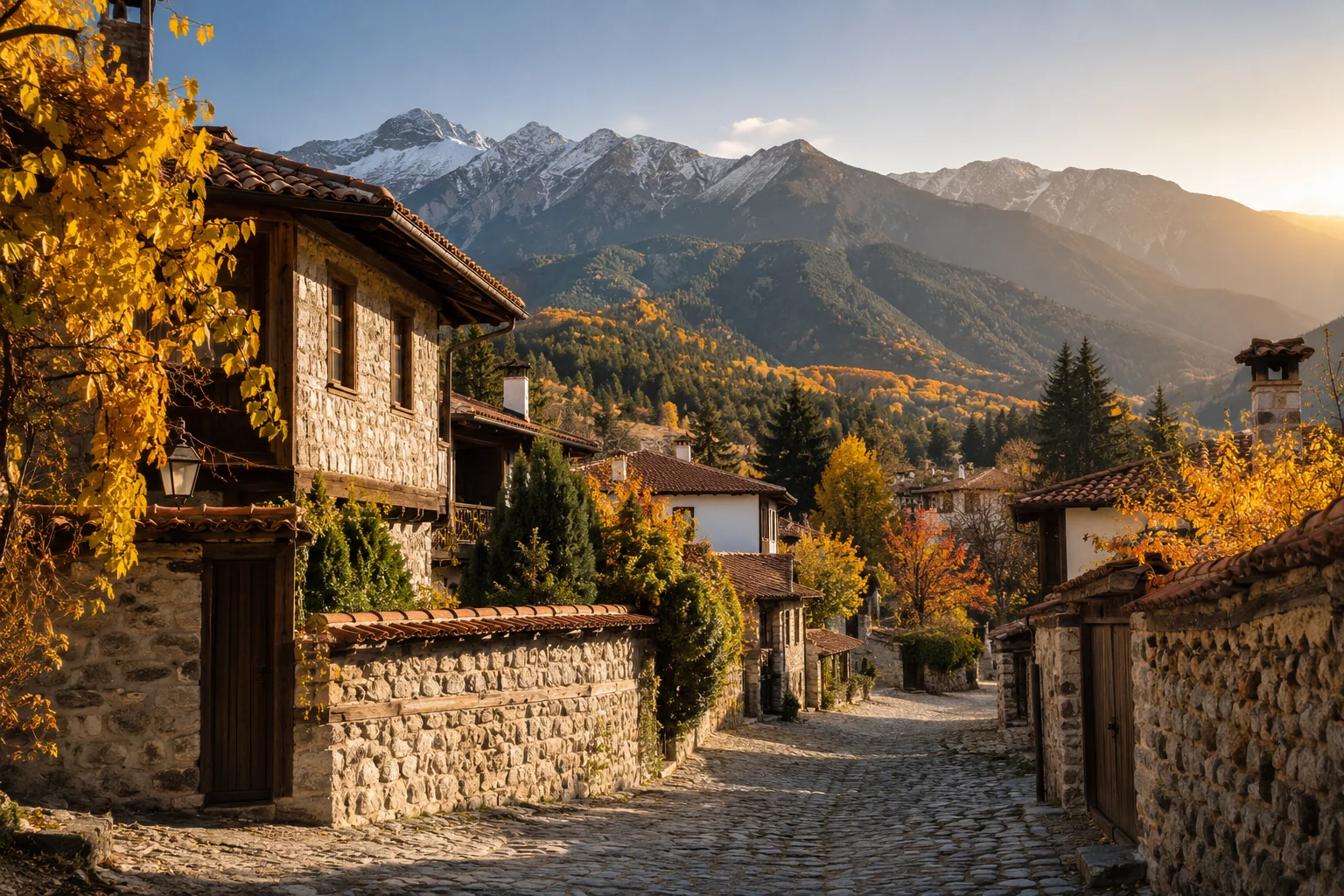
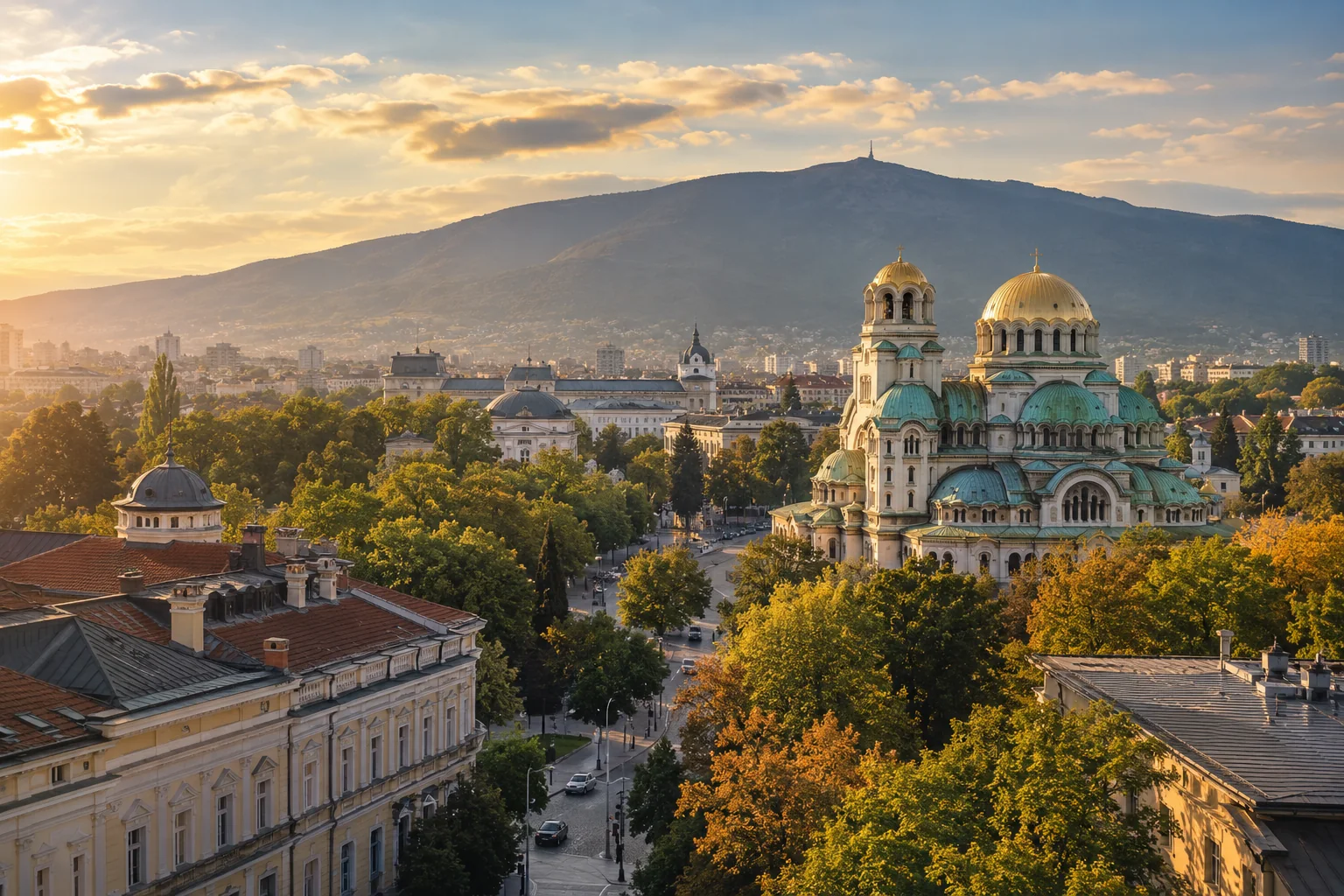
Bulgaria is one of the most affordable countries in the EU, with fast and cheap internet, a 10% flat income tax and, since 2026, the euro. Sofia is a green, underrated capital at the foot of Vitosha mountain with a growing tech scene, while Bansko, a ski town in the Pirin mountains, has become one of Europe's most famous remote-work hubs. A new digital nomad residence permit opened at the turn of 2026, and Bulgaria is now a full Schengen member. Winter air pollution and patchy English outside the cities are the main drawbacks.
Bulgaria at a glance
Internet
Internet is fast and cheap, with Vivacom, A1 and Yettel offering fibre and strong 4G and 5G. Even mountain towns such as Bansko have reliable connections.
Monthly budget
$1,400/mo comfortable, $900 lean
Best months
Continental
Community
Medium nomad density, fair English
Key points
One of the lowest costs of living in the EU, now with the euro
Fast, cheap internet and a 10% flat income tax
Full Schengen member since 2025, with a new digital nomad residence permit
Essentials
Capital
Sofia
Currency
EUR
Languages
Bulgarian
Visa paths
3
Visa options
Cities in Bulgaria
Cost of living
USD
Lean
$900/mo
Shared housing, local food
Comfortable
$1,400/mo
Private one-bed, coworking
Premium
$2,300/mo
Central, frequent dining
Local currency
EUR
Living costs are low by EU standards: rent, eating out and transport are all affordable, though prices have risen in Sofia and with the switch to the euro.
Internet & connectivity
Fixed line
Not verified
Mobile
Not verified
eSIM
Supported
Reliability
GoodPublic Wi-Fi
FairPower stability
GoodInternet is fast and cheap, with Vivacom, A1 and Yettel offering fibre and strong 4G and 5G. Even mountain towns such as Bansko have reliable connections.
Nomad community
Nomad density
MediumEnglish
FairMeeting people
Coworking spaces in Sofia and Bansko run regular events, and Bansko hosts a well-known summer nomad festival.
Bulgarians are welcoming, and younger people speak good English. The Cyrillic alphabet takes a little getting used to, and a nod can mean no.
Safety
Emergency 112
At night
GoodSolo female
GoodPetty crime
GoodCommon scams
Taxis overcharging tourists, especially at the airport and stations, and exchange offices with misleading rates
Bulgaria is generally safe. Use registered taxis or ride-hailing apps, and be careful on mountain roads and trails.
Healthcare
Pharmacies
GoodPublic system
The public system, run by the National Health Insurance Fund, covers residents who pay contributions. Visitors rely on private insurance.
Private care
Private hospitals in Sofia, such as Acibadem City Clinic, offer modern care and English-speaking doctors.
Insurance
The digital nomad permit requires long-term health insurance covering at least EUR 30,000 in Bulgaria. Travel insurance is not accepted.
Getting around
Walkability
GoodPublic transport
FairSofia has a good metro and the airport is on the metro line. Buses connect the main towns, trains are slow, and a car is useful in the mountains.
Climate & seasons
Continental
Hot summers and cold, snowy winters, especially in the mountains. The Black Sea coast is milder.
All ratings
Getting in
Bulgaria has been a full Schengen member since January 2025. EU, EEA and Swiss citizens move freely; around 60 visa-exempt nationalities get 90 days in any 180 across the Schengen area. Remote workers earning EUR 31,010 a year can apply for the new digital nomad residence permit.
Tax
Income tax
—
Territorial system
No
Foreign income
Bulgarian tax residents pay a flat 10% income tax on worldwide income, generally after 183 days in 12 months.
For nomads
The digital nomad permit forbids income from Bulgarian clients. Tax residency after 183 days can be attractive thanks to the flat rate, but check your home country's rules.
Informational only, not tax advice. Confirm with a qualified adviser before relying on it.
Practicalities
Timezone
Europe/Sofia
Drives on
Right
Plug types
Payments
Cards are widely accepted in cities, but carry cash in small towns and mountain areas. Bulgaria has used the euro since 1 January 2026.
Tipping
Tipping around 10% in restaurants is customary.
Banking
Opening a bank account requires identification and often proof of address or residence. Online banks are a common starting point.
Watch out for
Winter air pollution in Sofia and mountain towns, and less English outside the cities
Sources
published- National destination informationNational tourism board2026-10-07
- Bulgaria adopts the euro on 1 January 2026European Central Bank2026-10-07
Last reviewed 2026-10-07