
Colombia
Spring weather all year, a two-year nomad visa, and the best time zone overlap with the US.
Colombia
Digimad score
8.1
Very good
Best for Americas time zone + Spring weather + Low cost
About
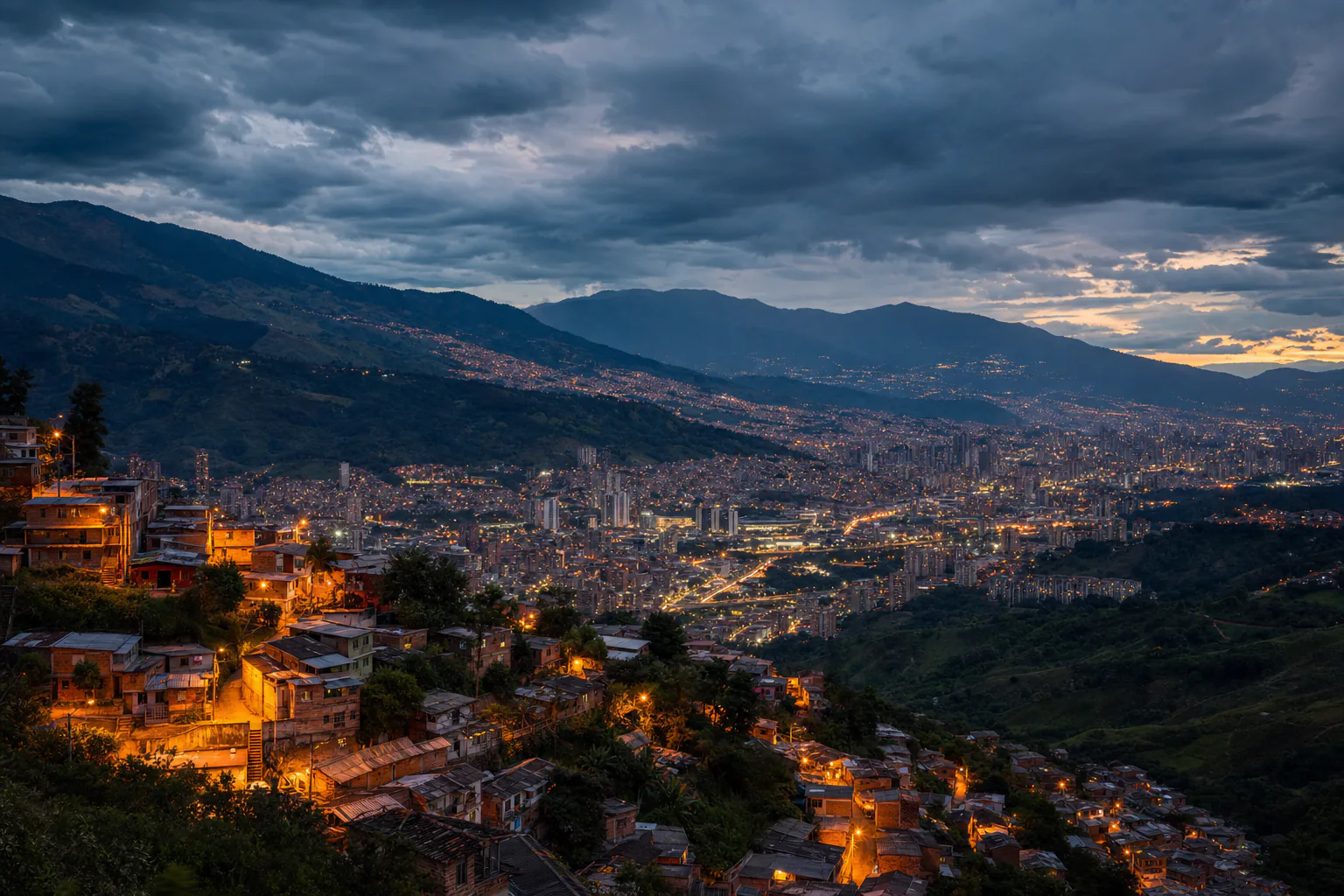
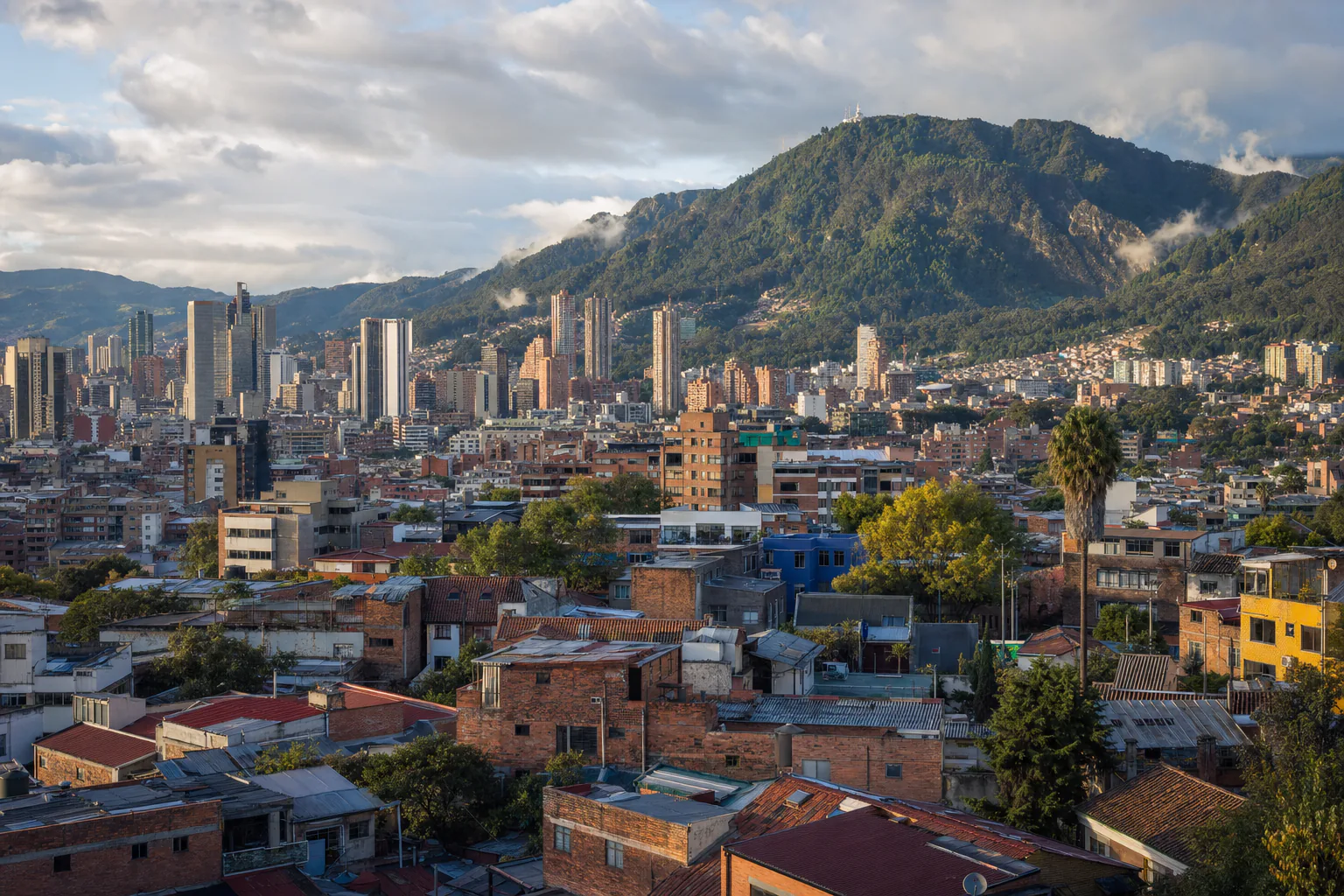
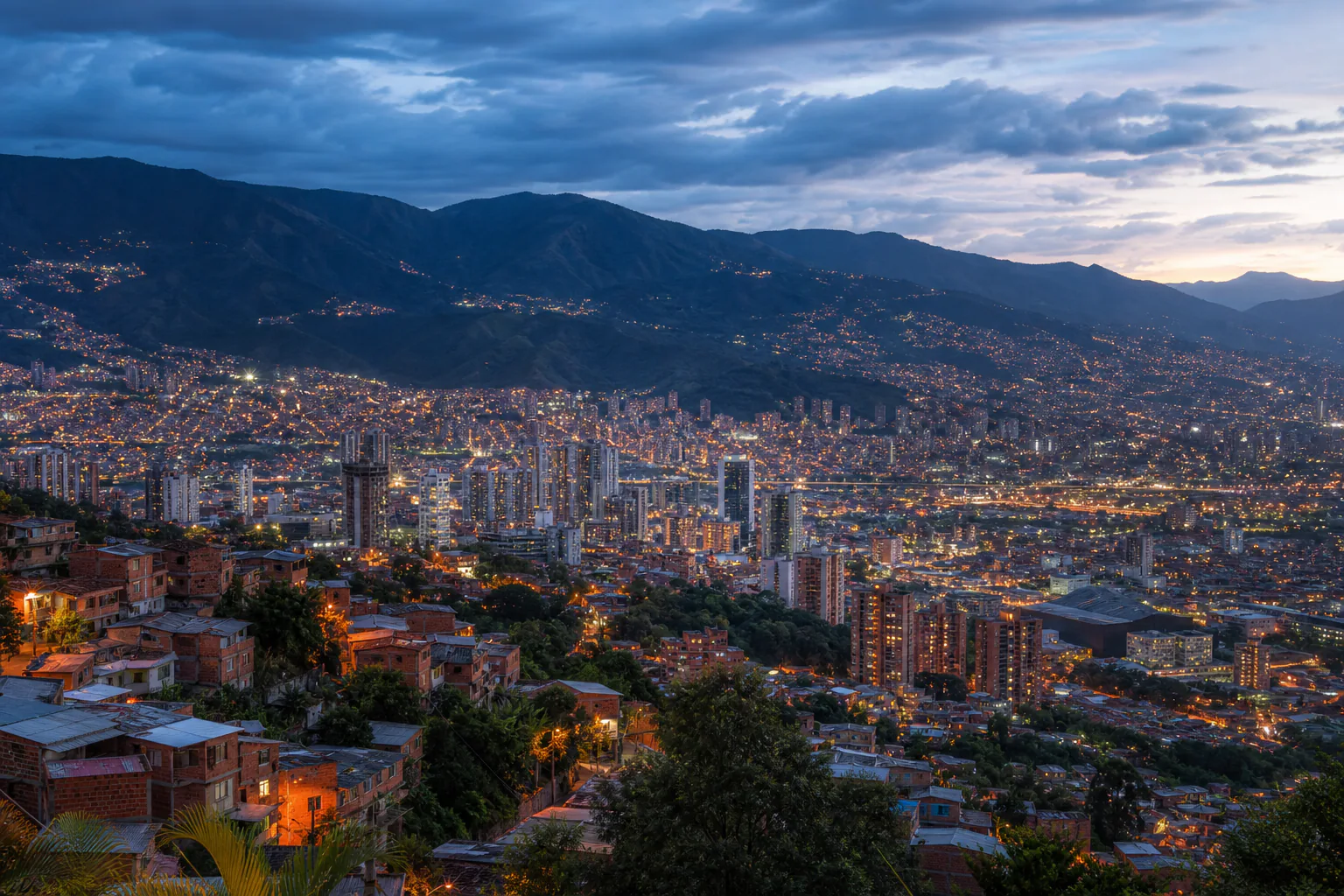
Colombia is the Americas' answer to Southeast Asia, and for anyone working with US or European clients it solves a problem that Bangkok never can: the time zone. Medellín sits at 1,500 metres and holds 22C every day of the year, which is why it has drawn a permanent nomad population since the mid-2010s. The V Nómadas Digitales visa gives up to two years with an income requirement of roughly USD 1,000 a month, one of the lowest anywhere. Costs are low, fibre is fast, and the coffee, food and social life are genuinely excellent. The trade-offs are safety habits you have to actually learn, Spanish being non-negotiable outside a few neighbourhoods, and Bogotá's altitude and traffic. Colombia rewards people who commit to a city rather than skim it.
Colombia at a glance
Internet
200 Mbps median fixed, good reliability
Monthly budget
$1,600/mo comfortable, $900 lean
Best months
Dec, Jan, Feb, Jul
Community
Very high nomad density, poor English
Key points
The V Nómadas Digitales visa runs up to two years on roughly USD 1,000 a month of income
Time zone overlap with the entire Americas and a workable morning with Europe
Medellín holds 22C year-round at 1,500 metres, with no heating or air conditioning needed
Healthcare is genuinely good and very cheap, with Colombia a regional medical-tourism destination
Cost of living supports a comfortable life on USD 1,300-1,800 a month in most cities
Essentials
Capital
Bogotá
Currency
COP
Languages
Spanish
Visa paths
3
Visa options
Cities in Colombia
Cost of living
USD
Lean
$900/mo
Shared housing, local food
Comfortable
$1,600/mo
Private one-bed, coworking
Premium
$2,900/mo
Central, frequent dining
Local currency
COP
Housing
- Studio
- $400
- 1-bed centre
- $620
- 1-bed outside
- $380
- Coliving room
- $480
- Airbnb monthly
- $850
Everyday costs
- Local meal
- $4
- Mid-range meal
- $14
- Coffee
- $3
- Groceries/mo
- $260
- Coworking day
- $10
- Hot desk/mo
- $120
- Private desk/mo
- $240
- Transit pass
- $35
- Short ride
- $3
- Scooter/mo
- $60
- Gym/mo
- $40
A menú del día lunch with soup, main and juice costs USD 4 across the country. The gap between local rents and foreigner-facing furnished rentals is wide in Medellín: a Laureles apartment leased locally can be half the Airbnb price for the same building.
Internet & connectivity
Fixed line
200 Mbps
Mobile
25 Mbps
Data plan
$10/mo
eSIM
Supported
Reliability
GoodPublic Wi-Fi
FairPower stability
GoodFibre from Claro and Tigo delivers 200-500 Mbps for USD 20-30 a month in the main cities, and most furnished rentals in Medellín and Bogotá include it. Mobile data is cheap but coverage outside cities is inconsistent.
Nomad community
Nomad density
Very highEnglish
PoorCoworking spaces
Selina Cowork
$130/mo
Medellín & Cartagena
Tinkko
$120/mo
Medellín, El Poblado
WeWork
$190/mo
Bogotá & Medellín
La Casa Redonda
$110/mo
Medellín, Laureles
Languages spoken
Meeting people
Medellín has one of the largest and most established nomad communities in the world, concentrated in El Poblado and increasingly Laureles. There is a Spanish exchange, a run club or a founder meetup most nights. Bogotá's scene is smaller and more locally integrated.
Spanish is close to essential outside El Poblado. Colombians are famously welcoming, and the effort of learning even basic Spanish is repaid faster here than in most countries.
Safety
Emergency 123
At night
FairSolo female
FairPetty crime
PoorCommon scams
Scopolamine drugging via drinks or dating apps, sometimes fatal
Motorbike phone snatching at traffic lights and on pavements
Fake police demanding to inspect your wallet or documents
Taxi drivers taking long routes or refusing to use the meter
Women travellers
Street harassment is common and solo night walking is not advised in most areas. Women in the nomad community generally use ride-hailing after dark as a default rather than a precaution.
LGBTQ+
Legally progressive, with same-sex marriage and adoption recognised since 2016. Medellín and Bogotá have visible scenes, though attitudes in smaller towns remain conservative.
Colombia is far safer than its reputation from the 1990s, but ordinary street crime is genuinely more common than anywhere in Asia. The rules that matter: use Uber or DiDi at night, keep your phone out of sight on the street, do not resist a robbery, and treat dating apps with real caution. Following them makes daily life comfortable; ignoring them is how people get hurt.
Healthcare
Consultation
$40
Pharmacies
ExcellentPublic system
The EPS system covers residents and is inexpensive. Visa holders can enrol, and many long-stay nomads do.
Private care
Private care is excellent and very cheap by Western standards, with several Colombian hospitals ranked among Latin America's best. A specialist consultation runs USD 30-60, and Medellín and Bogotá are established medical-tourism destinations for dentistry and elective surgery.
Insurance
The nomad visa requires health insurance covering Colombia for the full stay, including hospitalisation and repatriation. Local policies are inexpensive and widely accepted; international ones are often not billed directly.
Getting around
Walkability
GoodPublic transport
FairAirports
- MDEJosé María Córdova (Medellín)45 min
- BOGEl Dorado (Bogotá)40 min
- CTGRafael Núñez (Cartagena)15 min
- CLOAlfonso Bonilla Aragón (Cali)40 min
Medellín's metro is clean, safe and genuinely useful, with cable cars serving the hillside neighbourhoods. Bogotá relies on the TransMilenio bus network, which is crowded and pickpocket-prone at peak times, with a metro under construction. Ride-hailing is cheap everywhere, though Uber operates in a legal grey area and drivers may ask you to sit in front.
Climate & seasons
27°C / 17°C
Tropical, moderated by altitude
Rainy season
Two wet seasons, roughly April-May and October-November, in most of the interior
Air quality
Medellín's valley traps pollution, with notable spikes in March and October. Bogotá has moderate traffic pollution.
Altitude sets the climate rather than latitude. Medellín is 22C year-round, Bogotá is 14C and grey, Cartagena is 32C and humid, and Cali is hot. There is effectively no summer or winter, only wetter and drier months.
All ratings
Getting in
Most Western passports enter visa-free for 90 days, extendable once by 90 more, capped at 180 days within any calendar year. Migración Colombia enforces the annual cap, and exceeding it means fines and possible entry refusal. Proof of onward travel and, at times, proof of funds and a yellow fever certificate for certain regions may be requested.
Visa run options
Panama City, Quito and Lima are all short, cheap flights
The 90-day extension is done online through Migración Colombia without leaving
Note that the 180-day annual cap applies regardless of exits, so a border run does not reset it
Tax
Residency threshold
183 days
in any rolling 365 days
Income tax
0-39% progressive
Territorial system
No
Foreign income
Colombian tax residents are taxed on worldwide income and must also report foreign assets above a threshold. Residency triggers at 183 days of presence, continuous or not, within any 365-day period, and where that period spans two years you become resident in the second one.
For nomads
This is the sharpest tax threshold on the nomad circuit: 183 days in a rolling year exposes worldwide income to rates up to 39%, plus a foreign asset reporting obligation. Many nomads deliberately structure stays to stay below it, which the two-year visa does not exempt you from.
Social security
Contributions apply to Colombian employment and to some local self-employment. Nomad visa holders working for foreign clients are generally outside the system but must hold private or EPS health cover.
Informational only, not tax advice. The rolling 365-day rule and asset reporting obligations make this one worth paying a Colombian accountant to review.
Practicalities
Timezone
America/Bogota
Drives on
Right
Voltage
110V / 60Hz
Plug types
Payments
Cards are widely accepted in cities, and Nequi and Daviplata dominate local peer-to-peer payments. Carry small cash for taxis, markets and neighbourhood shops.
Tipping
A 10% propina voluntaria is usually added to restaurant bills and you will be asked whether to include it. Saying no is acceptable.
Banking
A local account needs a cédula de extranjería, which comes with a visa. Nequi can sometimes be opened with a passport. ATM withdrawal fees are high, so withdraw large amounts less often.
Alcohol
Cheap and central to social life. Aguardiente and rum dominate; craft beer is well established in Medellín and Bogotá.
Local customs
Warmth and politeness matter more than efficiency. Greet people before asking for something, use usted with strangers and older people, and expect timekeeping to be approximate outside business contexts.
Watch out for
Street robbery is a real and routine risk; the local phrase no dar papaya exists for a reason
Scopolamine drugging, often via dating apps, has caused foreigner deaths in Medellín and Bogotá
English proficiency is low outside El Poblado and a few Bogotá neighbourhoods
Bogotá sits at 2,640 metres and altitude adjustment takes most people several days
183 days makes you a Colombian tax resident on worldwide income, with rates up to 39%
Sources
published- Ministry of Foreign Affairs of Colombia - visasCancillería de Colombia2026-07-27
- Migración ColombiaMigración Colombia2026-07-27
Last reviewed 2026-07-27