
Croatia
Adriatic islands, Roman stone towns and a tax-free digital nomad stay of up to 18 months.
Croatia
Digimad score
8.0
Very good
Best for Coast + Tax break
About
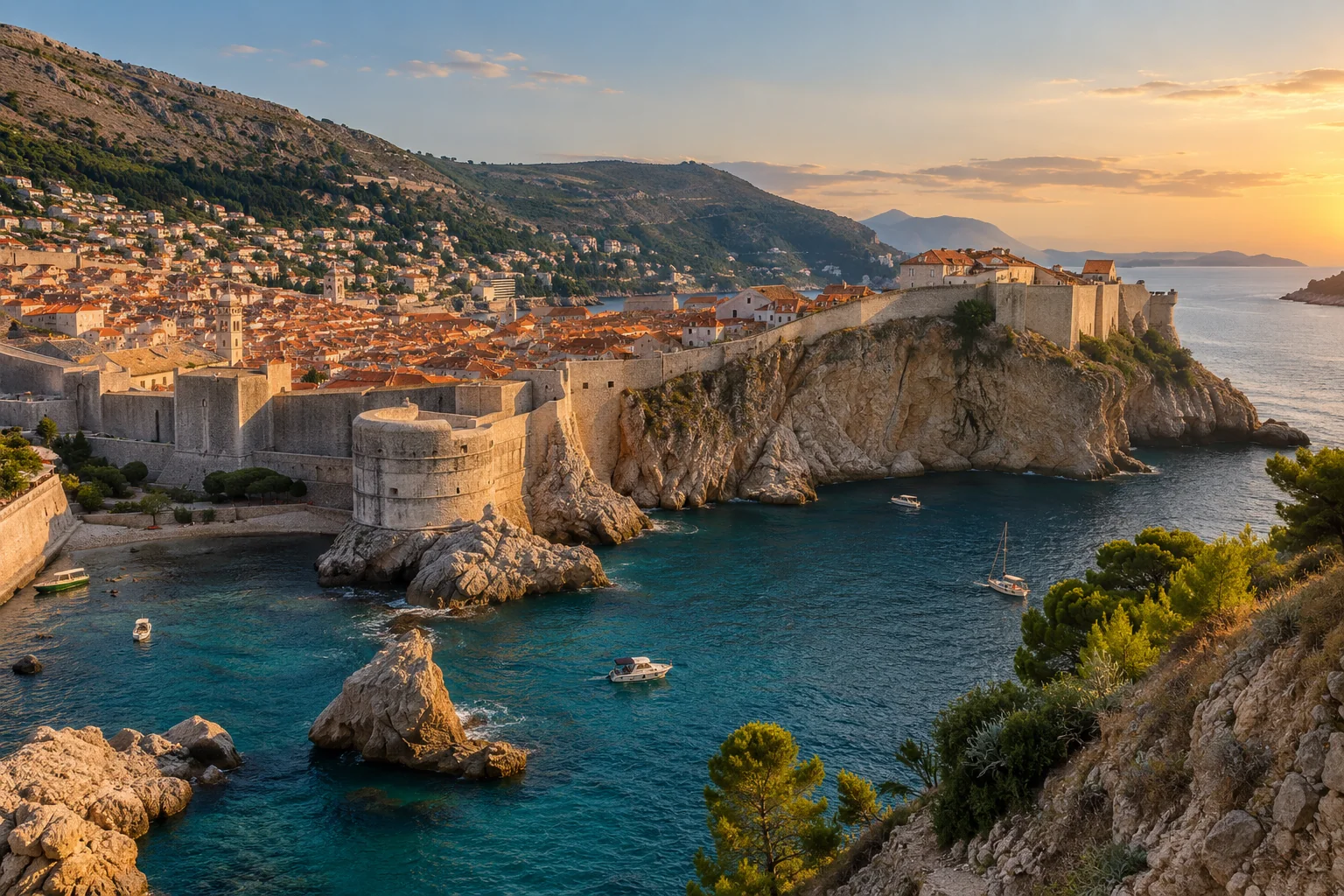
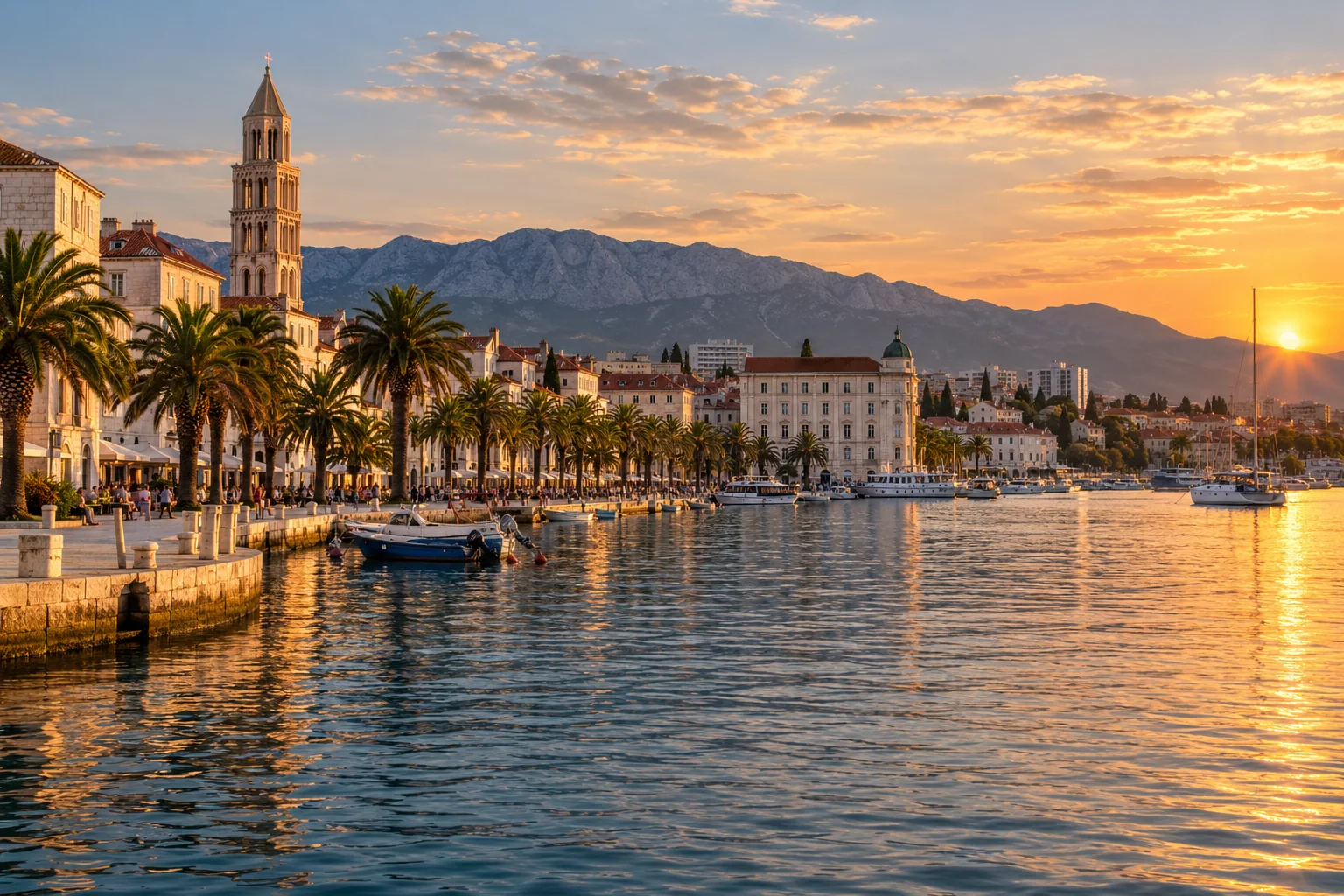
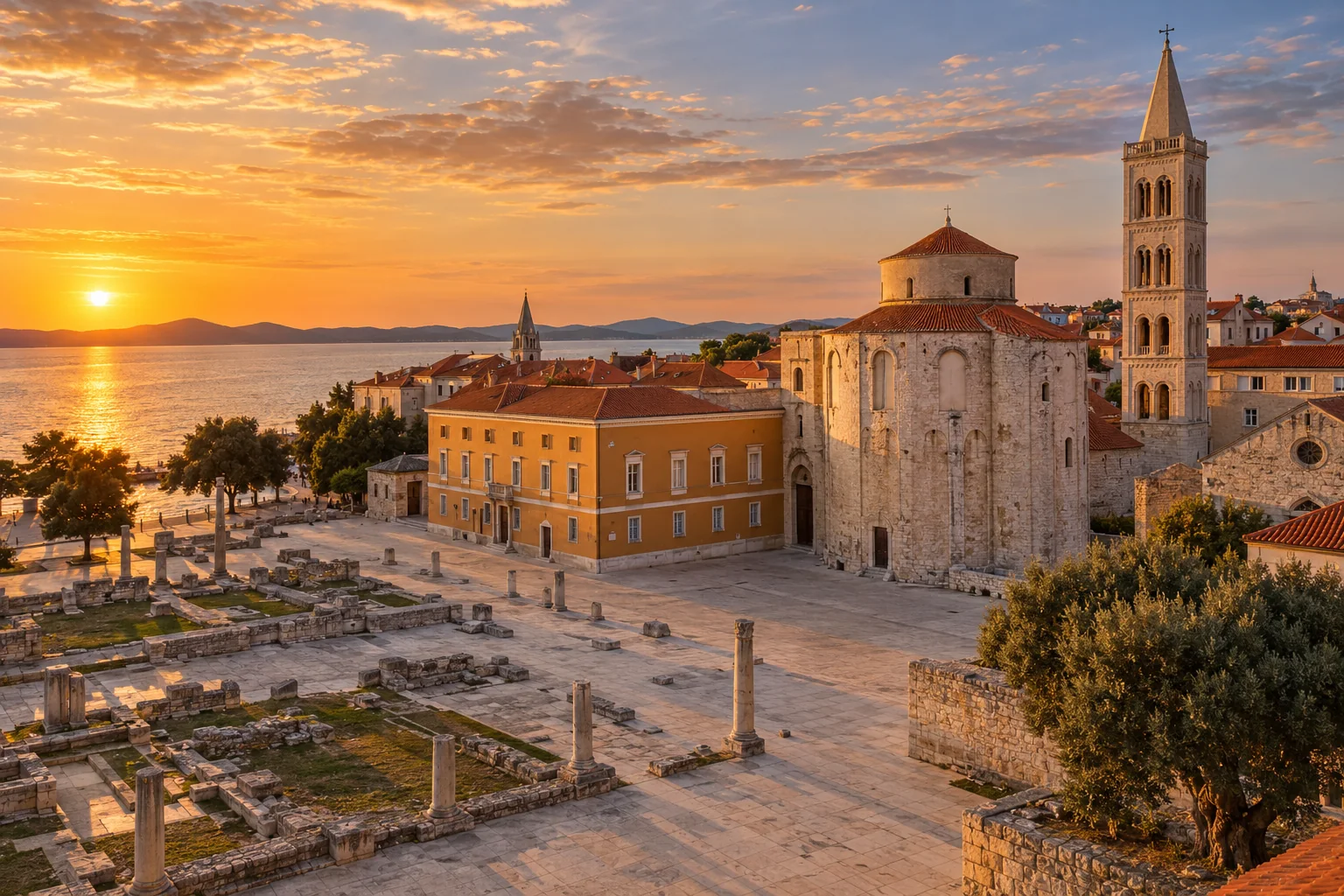
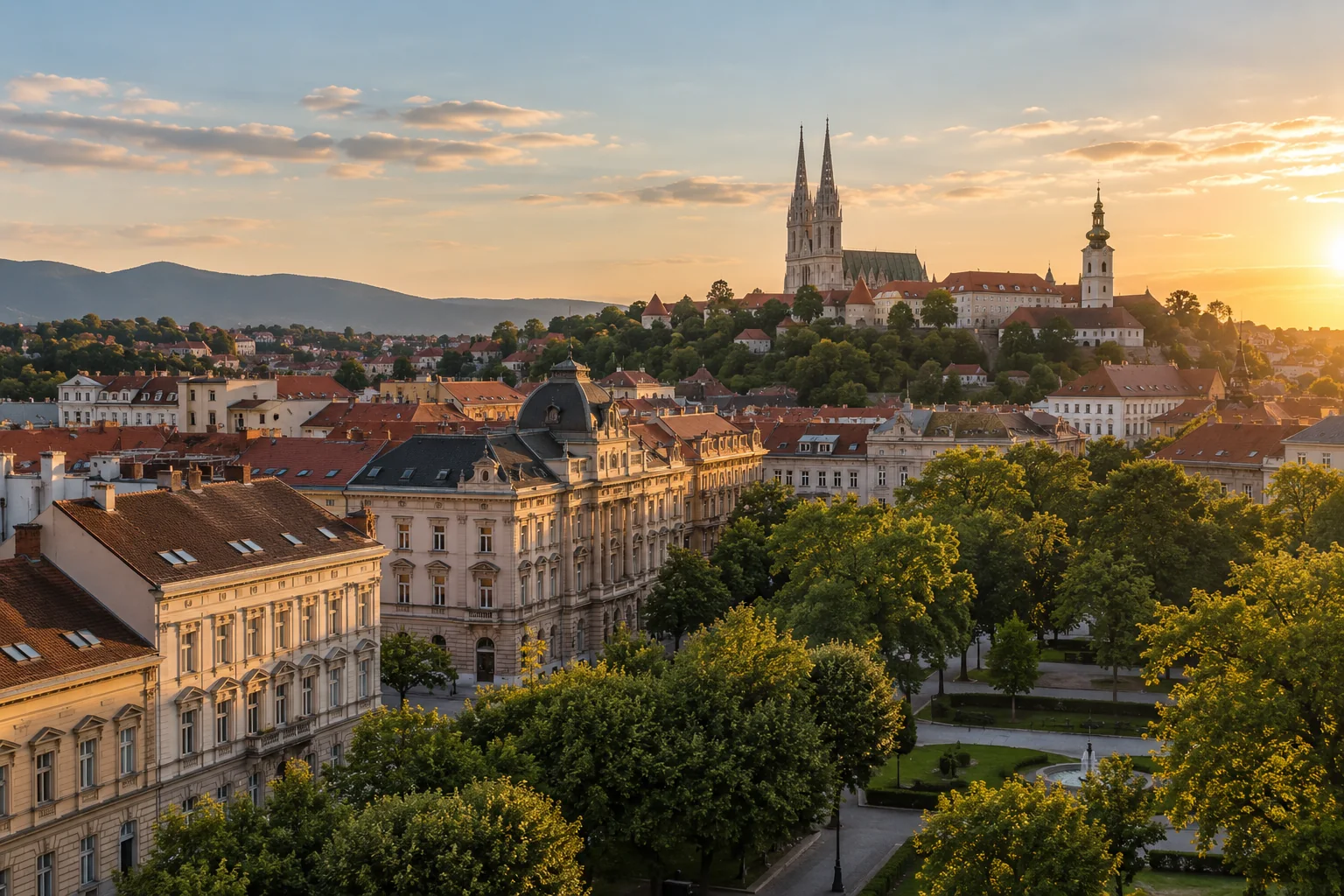
Croatia combines a stunning coastline with a laid-back pace and a digital nomad permit whose foreign income is exempt from Croatian income tax, a rare perk in Europe. Split and Zadar offer stone old towns, islands and sea, but they are very seasonal: crowded and expensive in summer, sleepy in winter. Zagreb, the inland capital, is less glamorous but works all year, with trams, cafés and a steady cost of living. Croatia uses the euro and is part of Schengen.
Croatia at a glance
Internet
Fibre is spreading in cities and the main providers (Hrvatski Telekom, A1 and Telemach) offer good mobile coverage, including on most islands. Check the connection carefully in old stone buildings and on smaller islands.
Monthly budget
$1,900/mo comfortable, $1,250 lean
Best months
Mediterranean and continental
Community
Medium nomad density, fair English
Key points
The digital nomad stay lasts up to 18 months, and qualifying foreign income is tax-free
Euro currency and full Schengen membership since 2023
Coastal towns are magical in spring and autumn, and Zagreb works all year
Essentials
Capital
Zagreb
Currency
EUR
Languages
Croatian
Visa paths
3
Visa options
Cities in Croatia
Cost of living
USD
Lean
$1,250/mo
Shared housing, local food
Comfortable
$1,900/mo
Private one-bed, coworking
Premium
$3,150/mo
Central, frequent dining
Local currency
EUR
Summer is when the coast gets expensive, as many landlords switch to holiday rentals. Monthly leases from October to May are much cheaper. Groceries cost about the same as in Western Europe; eating out is a little cheaper.
Internet & connectivity
Fixed line
Not verified
Mobile
Not verified
eSIM
Supported
Reliability
GoodPublic Wi-Fi
FairPower stability
GoodFibre is spreading in cities and the main providers (Hrvatski Telekom, A1 and Telemach) offer good mobile coverage, including on most islands. Check the connection carefully in old stone buildings and on smaller islands.
Nomad community
Nomad density
MediumEnglish
FairMeeting people
Coworking spaces in Zagreb and Split host events, and Croatia has an active digital nomad association that has organised conferences and meetups.
Croatians speak good English, especially younger people and in tourism. The remote-work community is small but welcoming.
Safety
Emergency 112
At night
GoodSolo female
GoodPetty crime
GoodCommon scams
Overpriced restaurant bills in busy old towns, unofficial taxis, and holiday-rental scams in summer
Croatia is very safe, with little crime against visitors. Strong winds (the bura and the jugo) and summer wildfires are the main natural risks on the coast.
Healthcare
Pharmacies
GoodPublic system
The public system (HZZO) covers residents who pay contributions. Visitors and digital nomads usually rely on private insurance.
Private care
Private polyclinics in Zagreb, Split and Rijeka offer quick appointments, often with English-speaking doctors.
Insurance
The digital nomad permit requires health insurance valid in Croatia for the whole stay. On islands, make sure evacuation to the mainland is covered.
Getting around
Walkability
GoodPublic transport
FairBuses connect most towns, ferries run to the islands, and trains are slow and limited. Domestic flights link Zagreb with the coast, and a car is useful for exploring.
Climate & seasons
Mediterranean and continental
Hot, dry summers and mild, wetter winters on the coast, where the bura wind can blow hard. Zagreb and the interior have cold winters and warm summers.
All ratings
Getting in
EU, EEA and Swiss citizens move freely. Around 60 visa-exempt nationalities get 90 days in any 180 across the Schengen area. Remote workers earning about EUR 3,623 a month can get up to 18 months of tax-exempt temporary stay as digital nomads.
Tax
Income tax
—
Territorial system
No
Foreign income
Croatian tax residents are taxed on worldwide income, generally after 183 days or if they have a home in Croatia.
For nomads
Foreign income earned on the digital nomad permit is exempt from Croatian income tax. Earnings from Croatian clients are not covered and are not allowed under the permit.
Informational only, not tax advice. Confirm with a qualified adviser before relying on it.
Practicalities
Timezone
Europe/Zagreb
Drives on
Right
Plug types
Payments
Cards are widely accepted, though some small konobas, markets and island shops prefer cash. Avoid dynamic currency conversion and pay in euros.
Tipping
Tipping is customary: round up in cafés and leave around 10% in restaurants if you are happy with the service.
Banking
You need an OIB (personal identification number) for rentals, banking and contracts. It is easy to obtain at a tax office or police station.
Watch out for
Coastal rents soar in summer and many places close or slow down in winter
Sources
published- Geography and destination overviewWikipedia2026-10-07
- National destination informationNational tourism board2026-10-07
Last reviewed 2026-10-07