
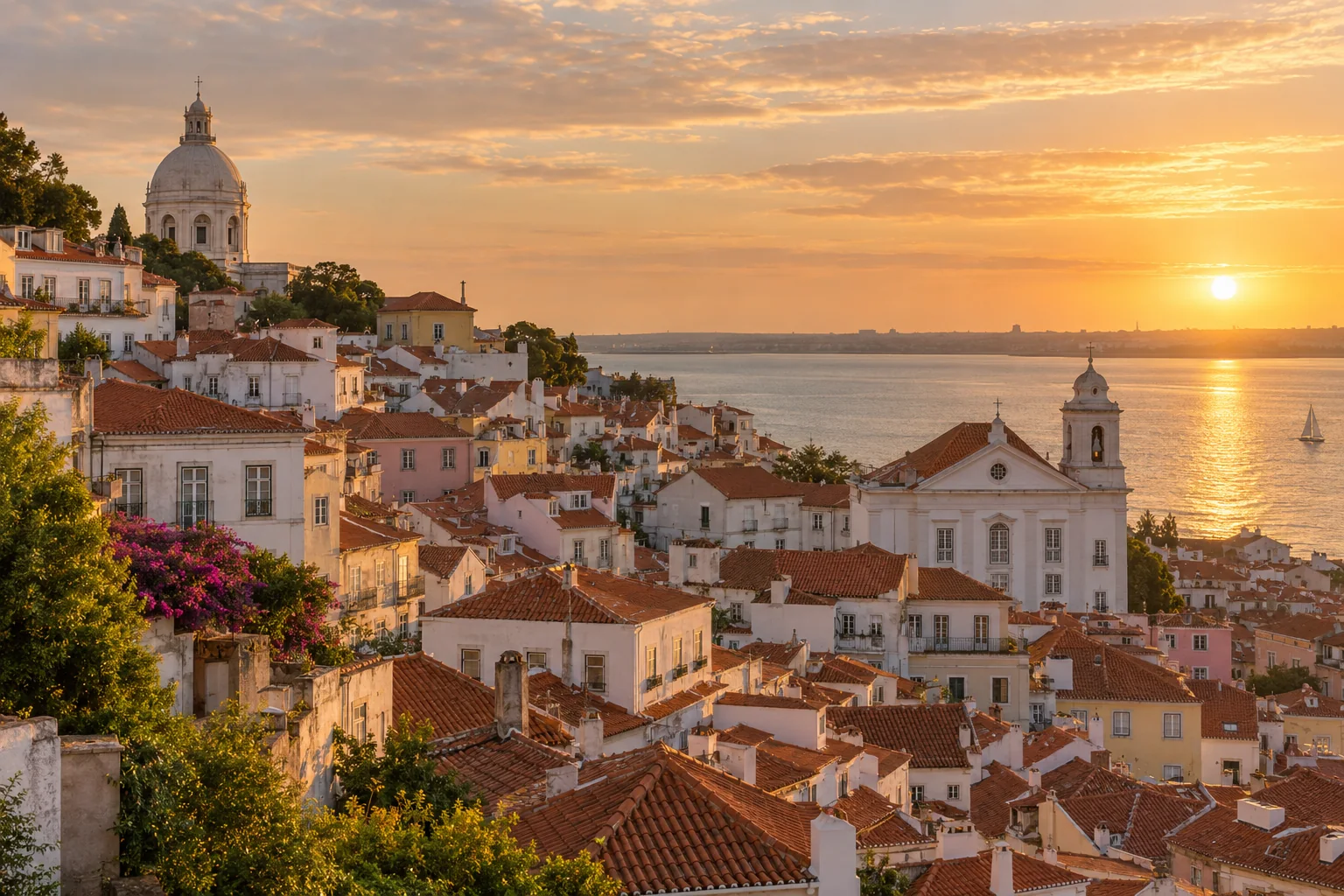
Portugal
Atlantic light, friendly cities and Europe's most popular visas for remote workers and retirees.
Portugal
Digimad score
8.4
Very good
Best for Long stay + Ocean
About
Portugal became the poster child for remote work in Europe, and it is easy to see why: mild weather, safe and walkable cities, good food, and residence visas built for remote workers (D8) and people with passive income (D7). Lisbon is the busiest and most expensive base, Porto feels more local, and Madeira offers island life with a real nomad scene. The catch is housing, which has become expensive in the cities, and an immigration agency (AIMA) known for long waits.
Portugal at a glance
Internet
Fibre is widespread in cities, with MEO, NOS, Vodafone and Digi offering fast plans, and 5G covers the main urban areas. Older buildings in Lisbon and Porto can have thick walls that weaken Wi-Fi, so check the signal at your desk.
Monthly budget
$2,200/mo comfortable, $1,450 lean
Best months
Atlantic and Mediterranean
Community
Medium nomad density, fair English
Key points
The D8 visa covers remote workers earning four times the minimum wage, the D7 people with passive income
Safe, walkable cities and a mild climate on the mainland and in Madeira
Lisbon, Porto and Madeira each offer a very different pace and budget
Essentials
Capital
Lisbon
Currency
EUR
Languages
Portuguese
Visa paths
4
Visa options
Cities in Portugal
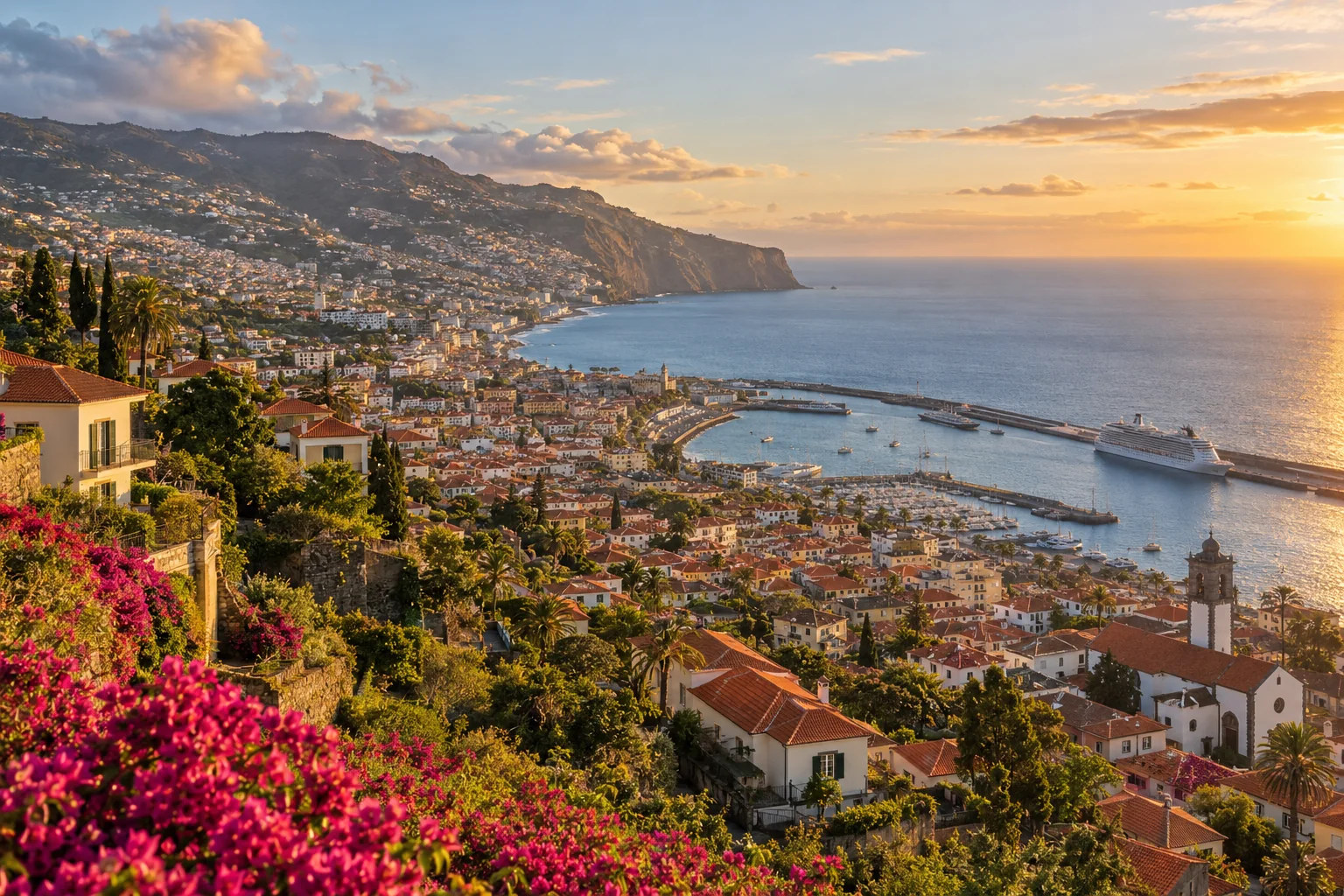 Funchal★ 8.2Madeira's capital: mild all year, with mountains, ocean and city services.
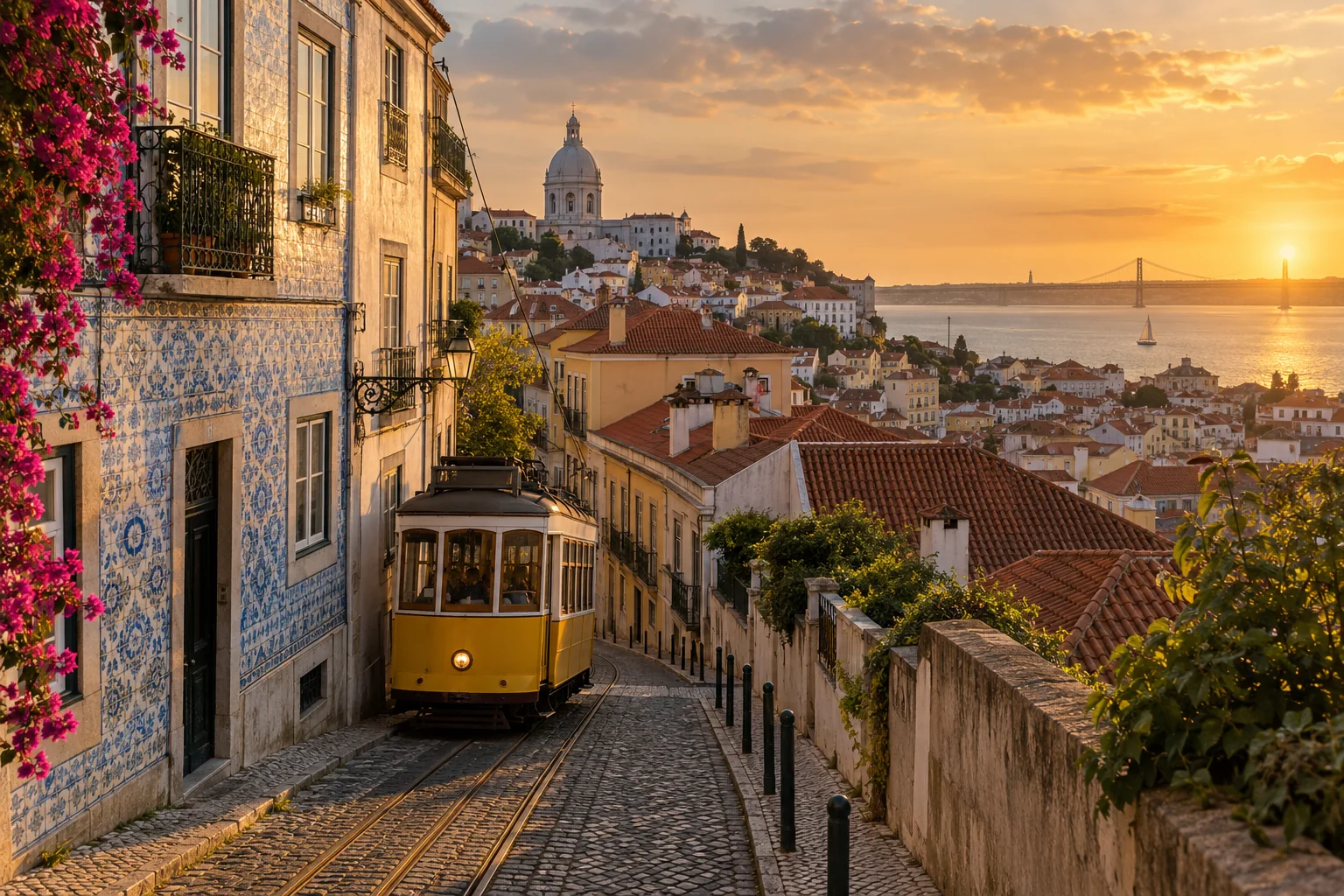 Lisbon★ 8.3Hills, trams, river light and Europe's best-known remote-work scene, at a price.2 districts
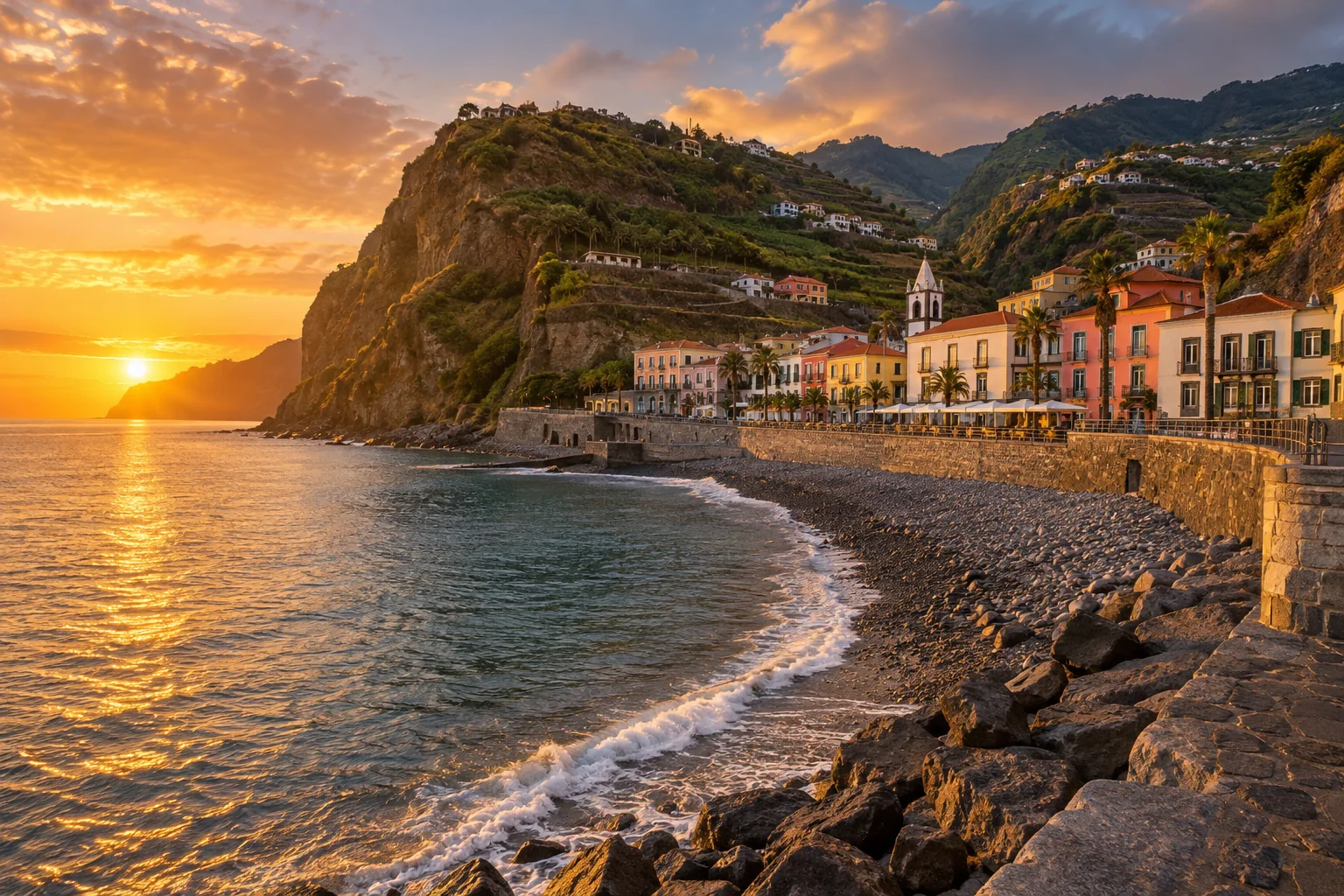 Ponta do Sol★ 7.9Small sunny town on Madeira's south coast, home of the island's first digital nomad village.
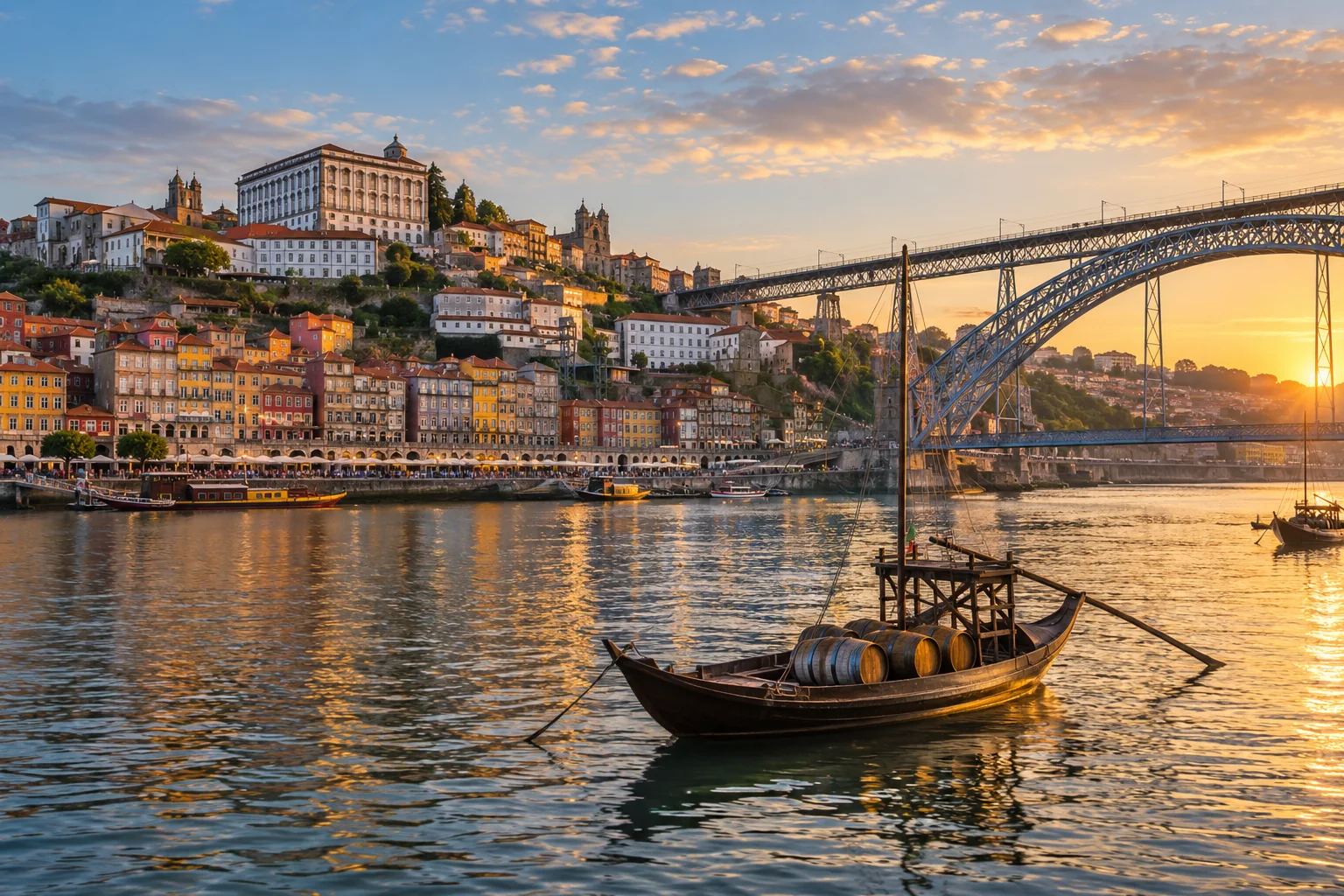 Porto★ 8.4Granite, river views and a strong local identity, at a lower cost than Lisbon.2 districts
Cost of living
USD
Lean
$1,450/mo
Shared housing, local food
Comfortable
$2,200/mo
Private one-bed, coworking
Premium
$3,650/mo
Central, frequent dining
Local currency
EUR
Housing is by far the biggest cost, especially in Lisbon. Outside rent, daily life is affordable by Western European standards: a coffee and pastel de nata at the counter, the prato do dia at lunch and a monthly transport pass all stay cheap.
Internet & connectivity
Fixed line
Not verified
Mobile
Not verified
eSIM
Supported
Reliability
GoodPublic Wi-Fi
FairPower stability
GoodFibre is widespread in cities, with MEO, NOS, Vodafone and Digi offering fast plans, and 5G covers the main urban areas. Older buildings in Lisbon and Porto can have thick walls that weaken Wi-Fi, so check the signal at your desk.
Nomad community
Nomad density
MediumEnglish
FairMeeting people
Coworking spaces in Lisbon, Porto and Madeira run regular events, and Lisbon has many meetups for remote workers and founders. Startup Madeira supports the nomad community on the island.
A large international community, especially in Lisbon. Portuguese people often speak good English, but learning Portuguese is appreciated and needed for administration.
Safety
Emergency 112
At night
GoodSolo female
GoodPetty crime
GoodCommon scams
Pickpockets on Lisbon's tram 28 and in busy viewpoints, street sellers offering fake drugs, and fake rental listings
Portugal is one of the safest countries in Europe. Petty theft in tourist hotspots is the main issue, and wildfires in summer are worth watching if you head inland.
Healthcare
Pharmacies
GoodPublic system
Residents registered with the SNS (national health service) receive care for low fees. Visitors and new arrivals usually rely on private cover, and the SNS 24 phone line (808 24 24 24) gives medical advice.
Private care
Private hospital groups such as CUF, Lusíadas and Luz Saúde have hospitals and clinics in the main cities, with short waits and English-speaking doctors.
Insurance
D7 and D8 applications require travel or health insurance covering the initial period until you register with the SNS. Check that your policy includes repatriation.
Getting around
Walkability
GoodPublic transport
FairFast Alfa Pendular trains link Lisbon and Porto in around three hours, both cities have metros and trams, and Madeira is a short flight from the mainland. Lisbon and Porto are hilly, so walking can be tiring.
Climate & seasons
Atlantic and Mediterranean
Mild winters and warm, dry summers in Lisbon and the south; Porto and the north are rainier in winter. Madeira stays mild all year. Many older homes have poor insulation and heating, so winters can feel colder indoors than out.
All ratings
Getting in
EU, EEA and Swiss citizens move freely. Around 60 visa-exempt nationalities get 90 days in any 180 across the Schengen area. Remote workers earning EUR 3,680 a month in 2026 can use the D8; people with passive income of EUR 920 a month use the D7.
Tax
Income tax
—
Territorial system
No
Foreign income
Portuguese tax residents are taxed on worldwide income, generally after 183 days a year or if they have a habitual residence in Portugal.
For nomads
The old NHR regime closed to new applicants in 2024. Its successor, the IFICI or NHR 2.0, offers a flat 20% rate for certain qualified jobs and researchers, so most remote workers should not count on it.
Informational only, not tax advice. Confirm with a qualified adviser before relying on it.
Practicalities
Timezone
Europe/Lisbon, Atlantic/Madeira, Atlantic/Azores
Drives on
Right
Plug types
Payments
Cards are widely accepted, and Portuguese people use Multibanco and the MB Way app for almost everything. Some small cafés and markets still prefer cash or have a minimum for cards.
Tipping
Tipping is not expected. Leaving small change or rounding up is common, and around 5 to 10% at a restaurant is generous.
Banking
You need a NIF (tax number) for almost everything, from rentals to phone contracts and bank accounts. Many banks will open an account for non-residents with a NIF, but expect paperwork.
Watch out for
Rents in Lisbon and Porto are high compared with local salaries, and AIMA appointments can take months
Sources
published- Geography and destination overviewWikipedia2026-10-07
- National destination informationNational tourism board2026-10-07
Last reviewed 2026-10-07