
Seoul
A 24-hour city with the world's best internet and cafes built for laptops.
South Korea › Seoul
Digimad score
8.7
Excellent
Best for Fast internet + 24-hour city + Cafes
About
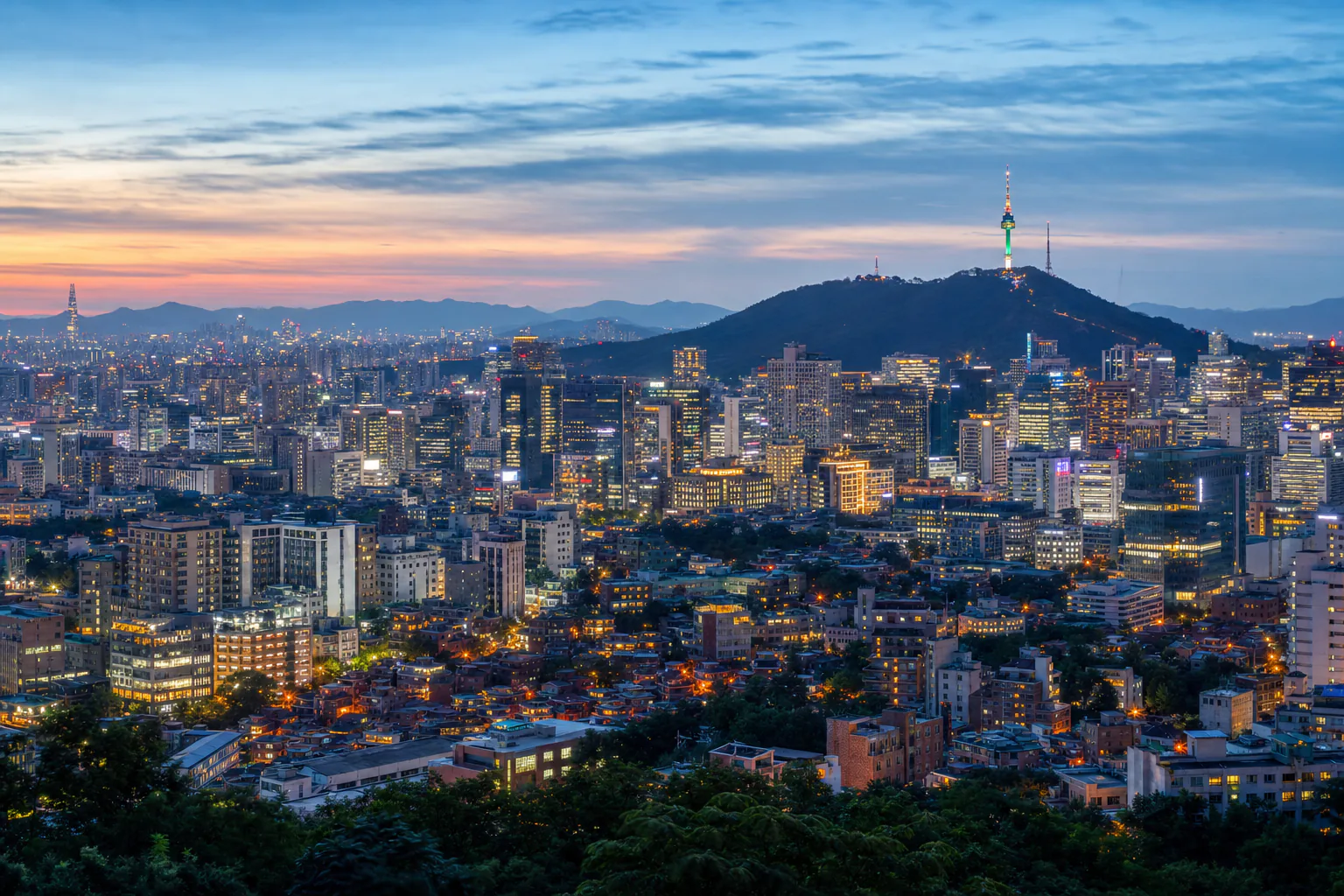
Seoul is engineered for the way remote workers actually live. Cafes stay open past midnight with power at every seat, gigabit fibre is the baseline rather than a premium, the metro is cheap and covers everything, and you can order anything to your door at 2am. It is extremely safe, dense and walkable, with mountains inside the city limits. The F-1-D workation visa gives up to two years with a residence card, which is a materially better deal than Japan's six months. The friction is cultural and financial: the language barrier is steep, most essential apps are Korean-only and demand a local phone number, and housing deposits routinely run into five figures.
Seoul at a glance
Internet
420 Mbps median fixed, excellent reliability
Monthly budget
$2,350/mo comfortable, $1,400 lean
Best months
Apr, May, Sep, Oct
Community
Low nomad density, fair English
Key points
Gigabit fibre as standard and free public Wi-Fi across transit and public spaces
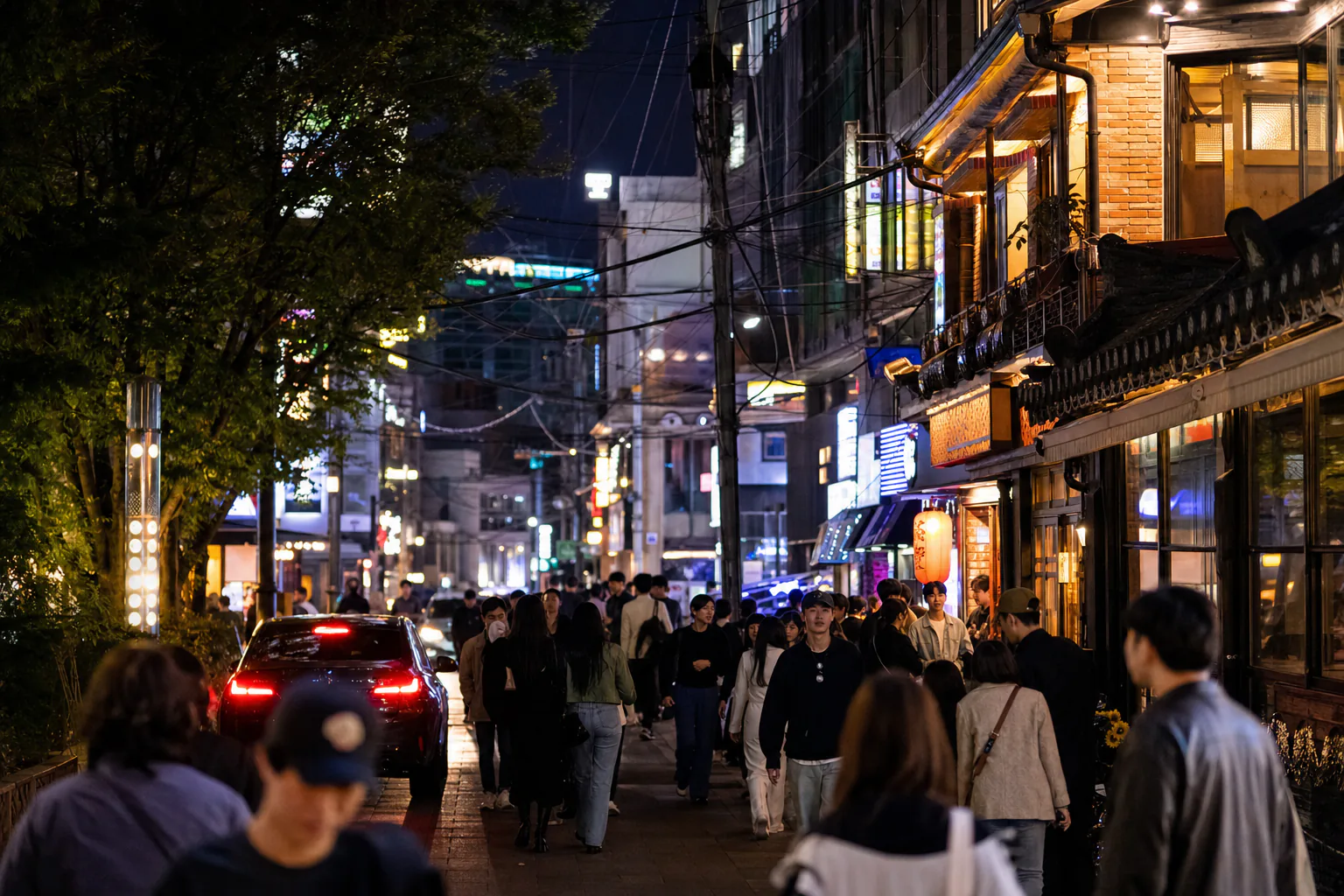
Cafes open late with power sockets at nearly every table
The metro covers the whole metropolitan area for around USD 1 a ride
Healthcare is fast, excellent and cheap, with same-day specialist appointments
The F-1-D visa gives up to two years with proper residence registration
Districts of Seoul
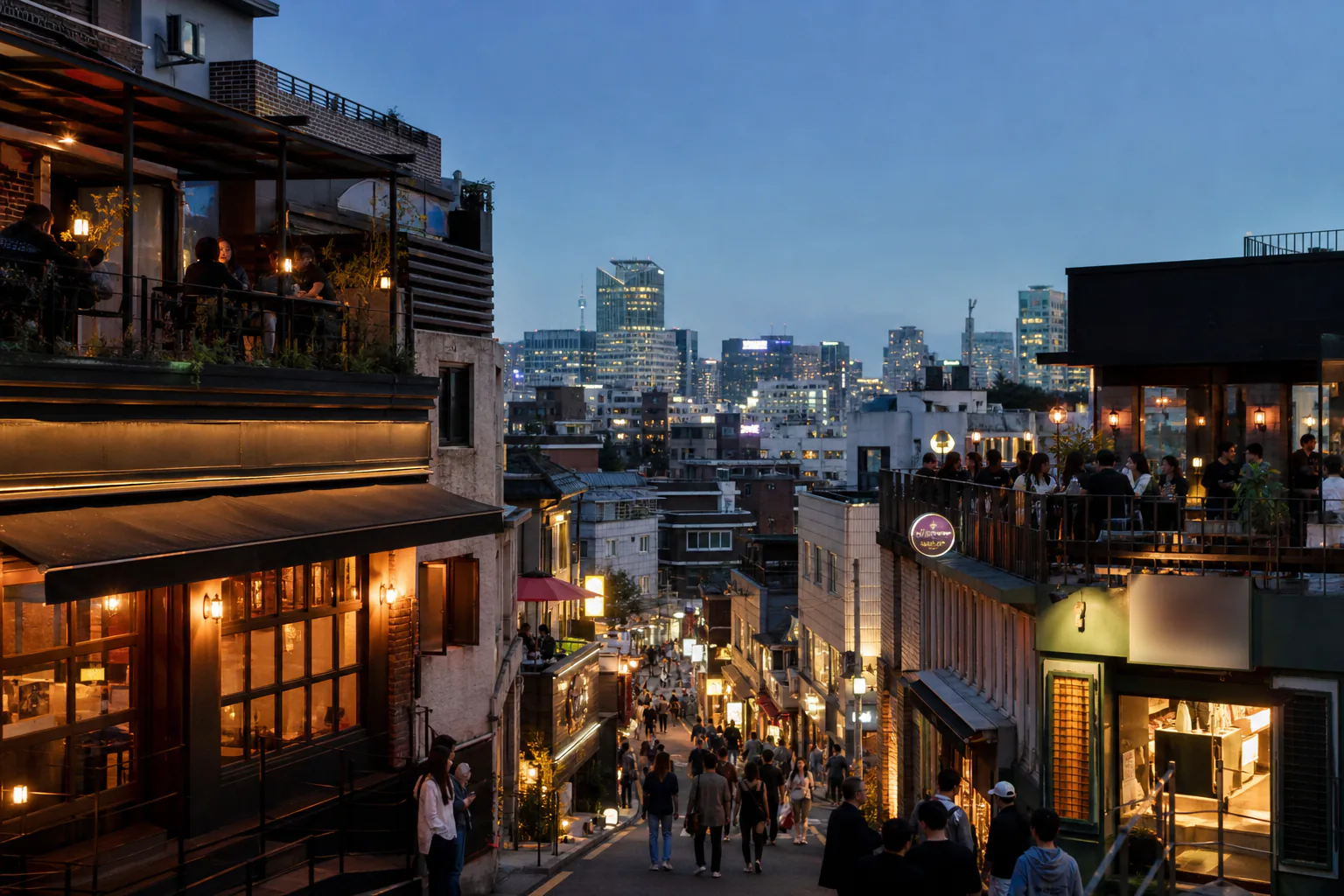
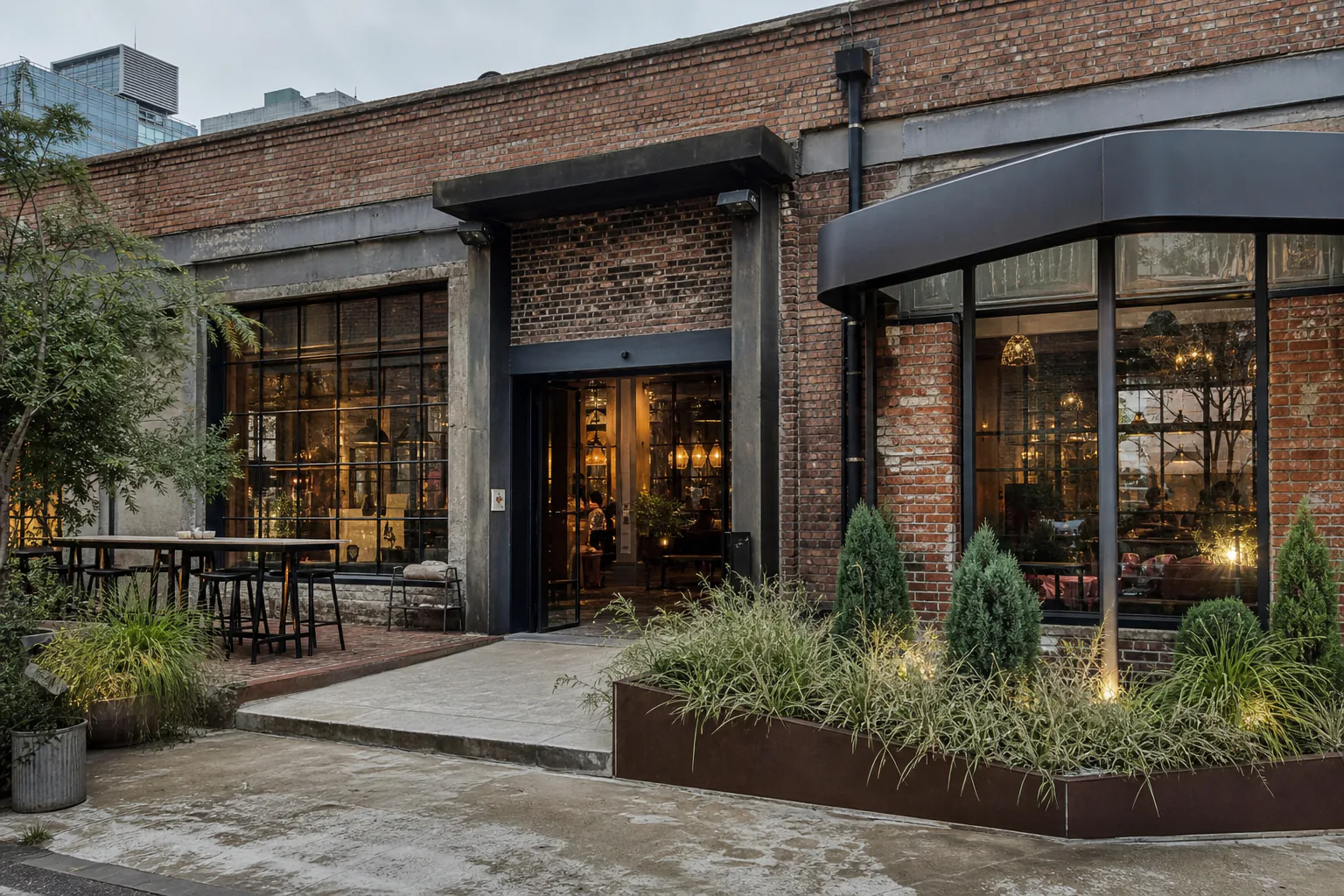
Gangnam and Seocho south of the river are the business core: corporate, expensive and well connected, with the best coworking. Hongdae and Mapo in the west are the young, cheap, nightlife-heavy student districts with the densest cafe culture. Itaewon and Yongsan hold most of the international population, with the best foreign food and the most English. Seongsu, on the east, is the converted-factory creative district and the current fashionable choice. Jongno and Bukchon in the centre offer traditional hanok streets, palaces and older housing at lower prices.
Cost of living
USD
Lean
$1,400/mo
Shared housing, local food
Comfortable
$2,350/mo
Private one-bed, coworking
Premium
$4,100/mo
Central, frequent dining
Local currency
KRW
Housing
- Studio
- $700
- 1-bed centre
- $1,050
- 1-bed outside
- $650
- Coliving room
- $640
- Airbnb monthly
- $1,400
Everyday costs
- Local meal
- $7
- Mid-range meal
- $21
- Coffee
- $4
- Groceries/mo
- $440
- Coworking day
- $19
- Hot desk/mo
- $195
- Private desk/mo
- $370
- Transit pass
- $45
- Short ride
- $6
- Scooter/mo
- $0
- Gym/mo
- $60
Eating out is good value and portions are generous; groceries, especially fruit, are expensive. The real barrier is the deposit system: even a monthly wolse rental usually wants USD 5,000-20,000 up front, which is why most short-stayers use officetels or serviced apartments.
Internet & connectivity
Fixed line
420 Mbps
Mobile
155 Mbps
Data plan
$30/mo
eSIM
Supported
Reliability
ExcellentPublic Wi-Fi
ExcellentPower stability
ExcellentGigabit is the default. Free public Wi-Fi works on the metro, on buses and in most public buildings. Cafes function as de facto coworking spaces with power at nearly every seat.
Nomad community
Nomad density
LowEnglish
FairCoworking spaces
FastFive
$220/mo
Gangnam & city-wide
WeWork
$260/mo
Multiple
Heyground
$190/mo
Seongsu
Spaces Jongno
$210/mo
Jongno
Languages spoken
Meeting people
The foreign community centres on Itaewon and Hongdae, dominated by teachers and corporate transferees. Startup meetups happen in Gangnam and Seongsu, mostly in Korean. Language exchanges are the most reliable way in.
Integration requires Korean. A local phone number is the gate to most essential apps, so arrange one early.
Safety
Emergency 112 (police), 119 (fire and ambulance)
At night
ExcellentSolo female
ExcellentPetty crime
ExcellentCommon scams
Taxi drivers taking long routes from the airport
Cult recruiters approaching foreigners in Hongdae and Myeongdong
Unlisted prices at tourist-facing restaurants
Women travellers
Extremely safe, including alone at night. Hidden-camera crime in public facilities has been a recognised issue and is subject to regular inspection programmes.
LGBTQ+
Legal but socially conservative, with no anti-discrimination law. Itaewon has the established scene and Seoul Pride is large.
Leaving a laptop on a cafe table while you order is normal here, which tells you most of what you need to know about street crime.
Healthcare
Consultation
$35
Pharmacies
ExcellentPublic system
National Health Insurance becomes compulsory after six months of residence, costs roughly USD 100-150 a month and covers most treatment at 70%.
Private care
Fast and affordable even without insurance, with same-day specialist appointments normal. Dermatology and dentistry are particular strengths.
Insurance
The workation visa requires private cover of KRW 100 million. After six months of residence, NHI enrolment is automatic and better value than most private policies.
Getting around
Walkability
ExcellentPublic transport
ExcellentAirports
- ICNIncheon International60 min
- GMPGimpo30 min
Twenty-three metro lines with English signage, mobile coverage in tunnels and fares around USD 1. A T-money card covers metro, buses and taxis nationwide. KTX reaches Busan in under three hours.
Climate & seasons
17°C / 7°C
Humid continental
Rainy season
Jangma monsoon from late June to late July, typhoon risk in August and September
Air quality
Fine dust from March to May is the main environmental complaint. Most residents check the daily index and keep an indoor purifier.
Four distinct seasons. Spring and autumn are excellent, summer is hot and wet, and winter is cold and dry with real snow.
All ratings
Watch out for
Spring fine dust pushes air quality into unhealthy ranges from March to May
Housing deposits of USD 5,000-20,000 are standard even for monthly rentals
Most delivery, banking and taxi apps are Korean-only and need a local number
Winter drops to minus 10C from December to February
The nomad community is small; most foreigners are teachers or corporate transferees