
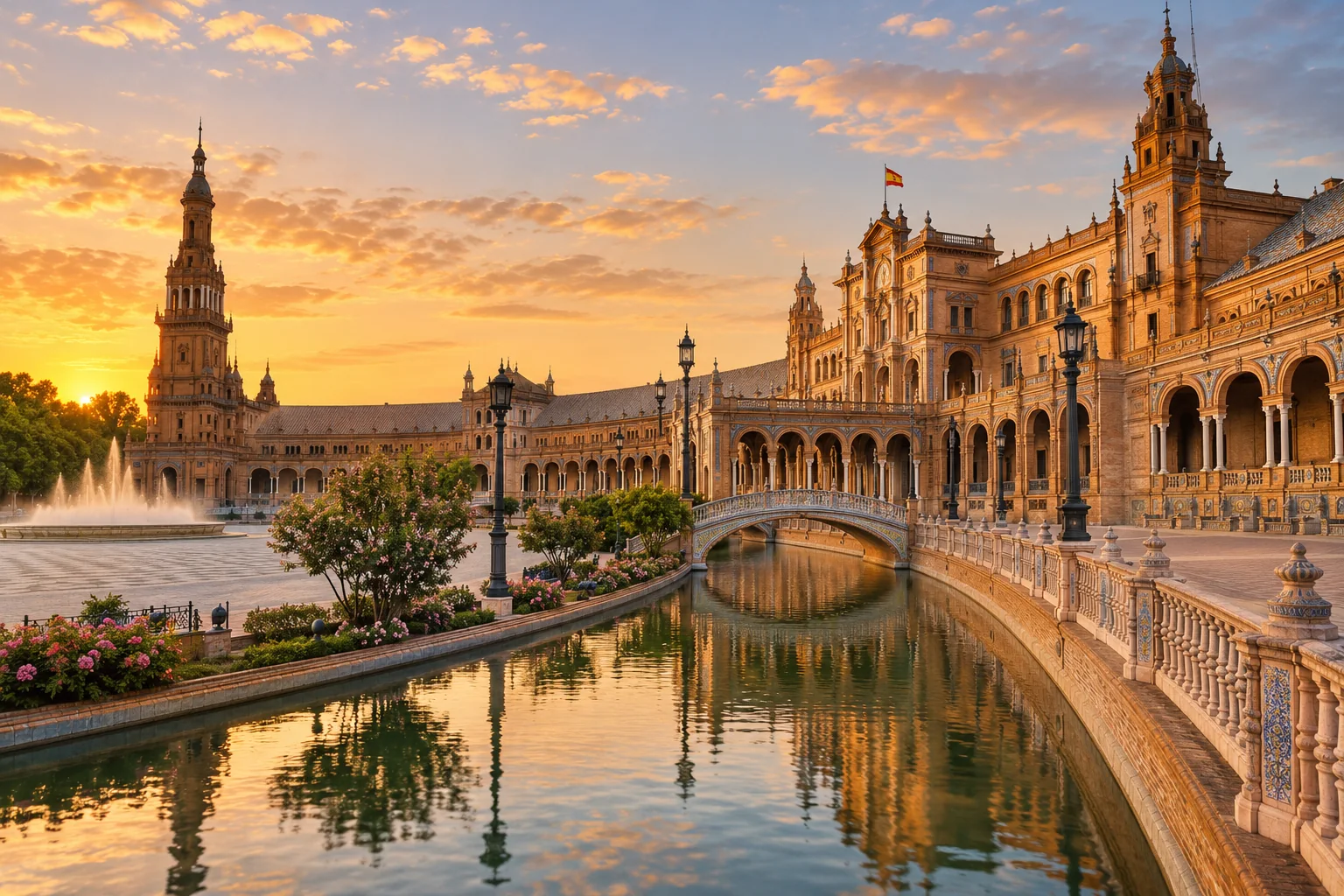
Spain
Sunny cities, long lunches and a dedicated visa for remote workers, from the Mediterranean to the Canary Islands.
Spain
Digimad score
8.2
Very good
Best for Long stay + City life
About
Spain is less one destination than a handful of very different bases. Valencia and Málaga give you Mediterranean city life with beaches a tram ride away, while Las Palmas on Gran Canaria offers spring weather almost all year. Fibre is fast and cheap, high-speed trains link the big cities, and daily life runs on a late rhythm: lunch at two, dinner after nine. The telework visa makes long stays straightforward for non-EU remote workers, but rents in the popular coastal cities have climbed sharply, so budget for housing first.
Spain at a glance
Internet
Spain has some of the best fibre coverage in Europe, typically 300 Mbps to 1 Gbps for a few dozen euros a month. Movistar, Vodafone, Orange and Digi all sell prepaid SIMs, and eSIMs are widely supported. Older buildings can have weak Wi-Fi in back rooms, so ask for a speed test from the actual desk.
Monthly budget
$2,100/mo comfortable, $1,350 lean
Best months
Varies by region
Community
Medium nomad density, fair English
Key points
The international telework visa gives non-EU remote workers up to three years, renewable
Fibre to the home is the norm, and mobile data is cheap and fast
Valencia, Málaga and Las Palmas offer very different climates and paces of life
Essentials
Capital
Madrid
Currency
EUR
Languages
Spanish
Visa paths
4
Visa options
Cities in Spain
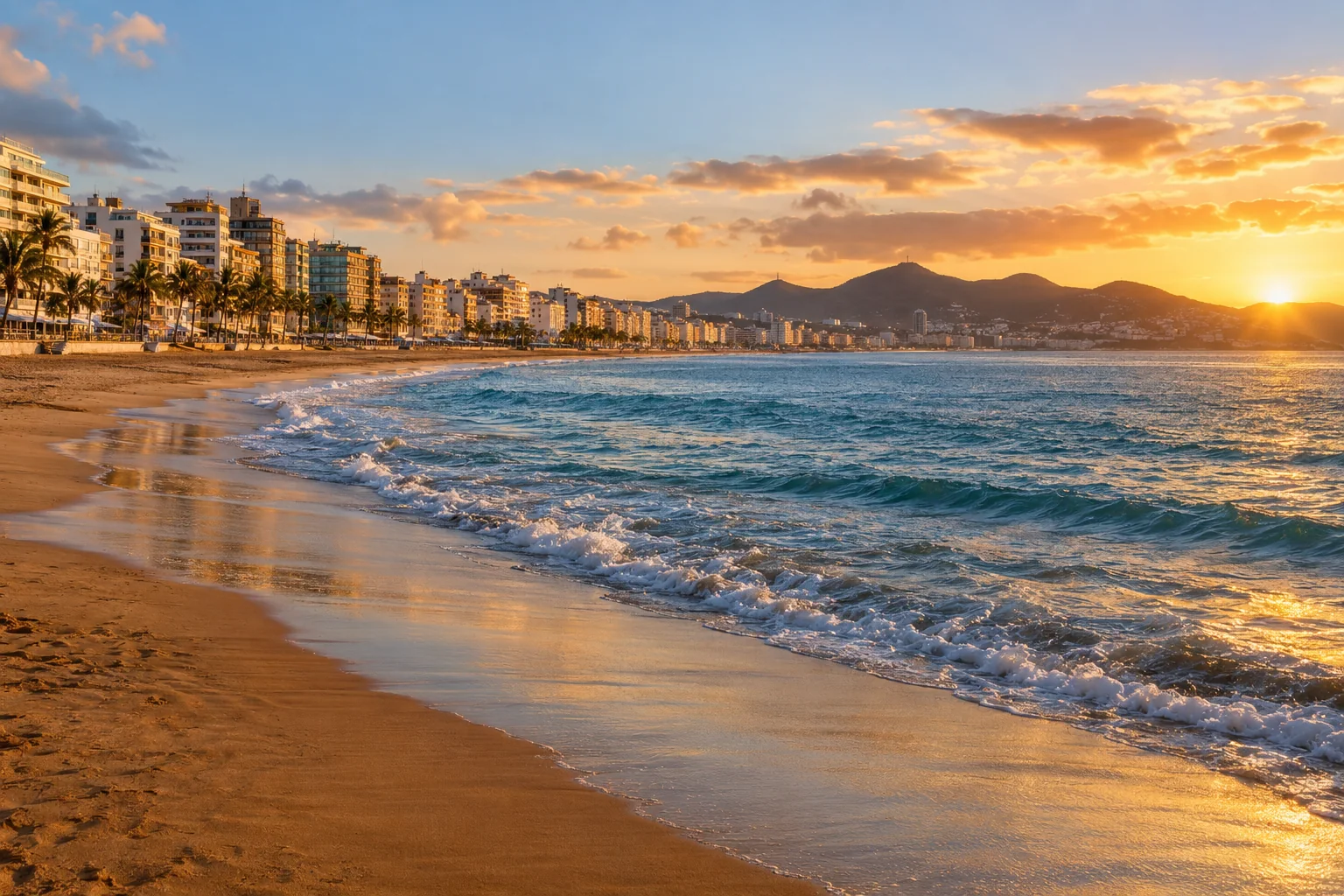 Las Palmas de Gran Canaria★ 8.1Spring-like weather all year, a city beach and one of Europe's best-known nomad communities.2 districts
 Málaga★ 8.2Sunny Andalusian city with an international airport, museums and a growing tech scene.
 Valencia★ 8.2Mediterranean city with beaches, a park running through the middle and neighbourhoods full of character.2 districts
Cost of living
USD
Lean
$1,350/mo
Shared housing, local food
Comfortable
$2,100/mo
Private one-bed, coworking
Premium
$3,450/mo
Central, frequent dining
Local currency
EUR
Rent is the line that decides your budget: a furnished one-bedroom in the popular coastal cities now costs far more than groceries, transport and eating out combined. The menú del día, a three-course lunch for a modest fixed price, keeps food costs reasonable. Prices assume one adult and a monthly lease.
Internet & connectivity
Fixed line
Not verified
Mobile
Not verified
eSIM
Supported
Reliability
GoodPublic Wi-Fi
FairPower stability
GoodSpain has some of the best fibre coverage in Europe, typically 300 Mbps to 1 Gbps for a few dozen euros a month. Movistar, Vodafone, Orange and Digi all sell prepaid SIMs, and eSIMs are widely supported. Older buildings can have weak Wi-Fi in back rooms, so ask for a speed test from the actual desk.
Nomad community
Nomad density
MediumEnglish
FairMeeting people
Coworking spaces in every big city run regular events, and language exchanges (intercambios) are an easy way to meet locals. Las Palmas has one of Europe's most established nomad communities.
Expats and remote workers are spread across the coastal cities, with English widely used in coworking spaces but much less in shops and administration. Learning some Spanish changes the experience completely.
Safety
Emergency 112
At night
GoodSolo female
GoodPetty crime
GoodCommon scams
Pickpocketing on busy beaches, terraces and metro lines, and fake rental listings asking for a deposit before a viewing
Spain is safe for daily life, and violent crime against visitors is rare. The main risk is petty theft in crowded tourist areas, so keep phones off café tables. Summer heatwaves are the other thing to plan for.
Healthcare
Pharmacies
GoodPublic system
The public health system (SNS) is good but mainly for residents registered with social security. Visitors and new arrivals usually rely on private insurance until they are registered.
Private care
Private networks such as Quirónsalud, Sanitas and Adeslas have clinics in every big city, with short waits and English-speaking doctors in tourist areas. Pharmacies, marked by a green cross, give useful advice for minor issues.
Insurance
The telework and non-lucrative visas require private insurance with no co-payments or waiting periods. A European Health Insurance Card only covers EU citizens on temporary stays.
Getting around
Walkability
GoodPublic transport
FairHigh-speed AVE trains connect Madrid, Valencia, Málaga and Barcelona in a few hours, and low-cost flights reach the Canary Islands. City centres are walkable with good buses, metro or trams; outside them, a car becomes useful.
Climate & seasons
Varies by region
The Mediterranean coast has hot summers and mild winters; Las Palmas stays between roughly 18 and 26°C all year. Inland cities are much colder in winter and hotter in summer, and August heatwaves are increasingly common everywhere.
All ratings
Getting in
EU, EEA and Swiss citizens move freely. Around 60 visa-exempt nationalities get 90 days in any 180 across the Schengen area, recorded by the Entry/Exit System. Longer remote-work stays use the international telework visa (about EUR 2,849 a month in 2026); people living on savings use the non-lucrative visa.
Tax
Income tax
—
Territorial system
No
Foreign income
Spanish tax residents are taxed on worldwide income, generally after 183 days in a calendar year. Regions set part of the rates, and most also levy a wealth tax above local thresholds.
For nomads
Holders of the telework visa can apply for the special regime known as the Beckham law, which taxes Spanish-source employment income at a flat 24% for six years. It must be requested within six months of registering.
Informational only, not tax advice. Confirm with a qualified adviser before relying on it.
Practicalities
Timezone
Europe/Madrid, Atlantic/Canary
Drives on
Right
Plug types
Payments
Cards and contactless payments are accepted almost everywhere, even for small amounts. Keep a little cash for markets and village bars, and always choose to pay in euros when a card terminal offers a conversion.
Tipping
Tipping is not expected. Rounding up or leaving small change at a bar, or around 5 to 10% at a nice restaurant, is appreciated.
Banking
Opening a Spanish bank account requires an NIE (foreigner identity number). Many newcomers start with an online bank or Wise, then open a local account once their residence is sorted, which helps with rent and utilities.
Watch out for
Furnished rents in Málaga, Valencia and Las Palmas have risen fast, and short lets face growing local restrictions
Sources
published- Geography and destination overviewWikipedia2026-10-07
- National destination informationNational tourism board2026-10-07
Last reviewed 2026-10-07