
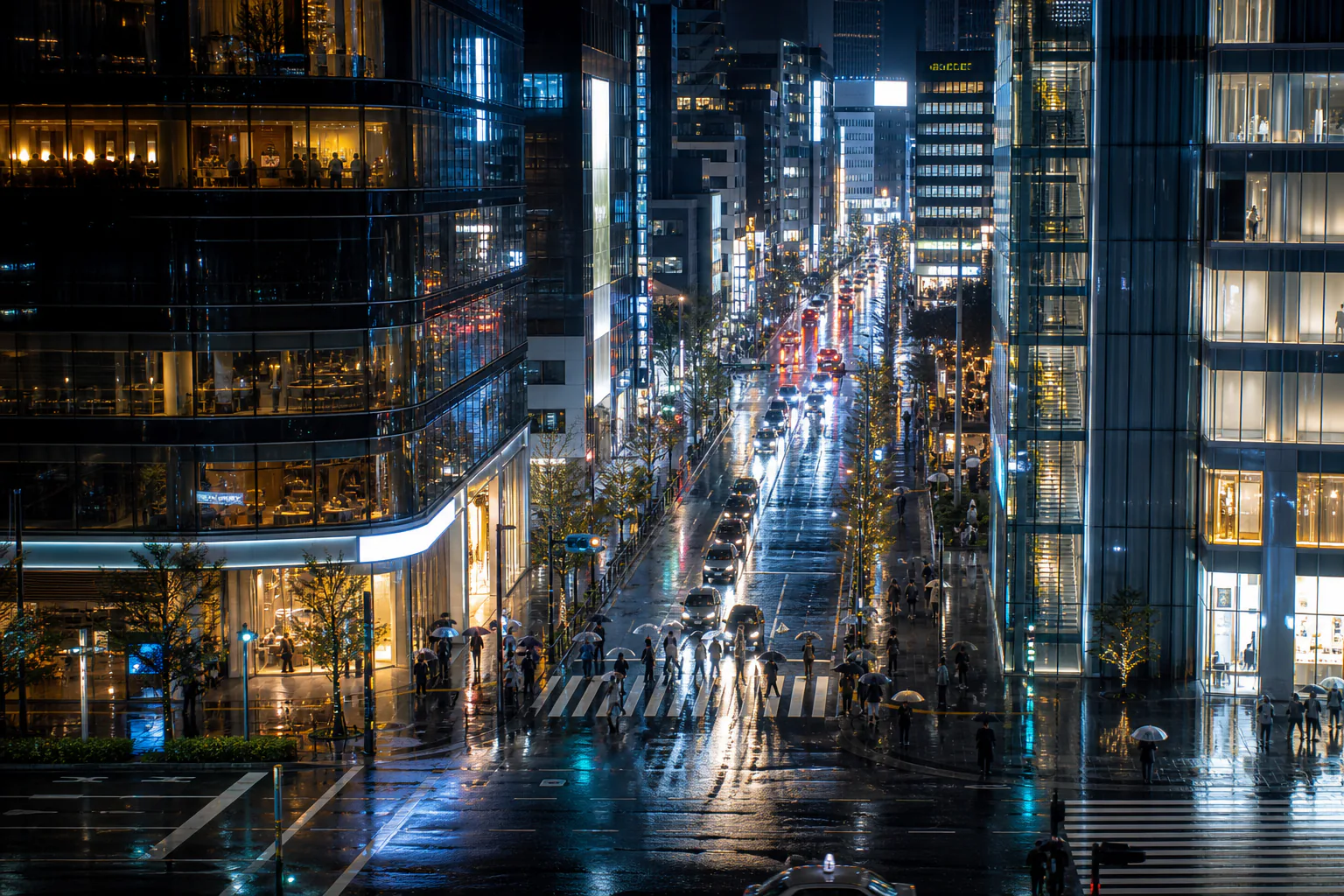
Japan
Unmatched infrastructure and safety, held back by a six-month nomad visa and a language wall.
Japan
Digimad score
8.7
Excellent
Best for Safety + Food + Transit
About
Japan is the highest-functioning country most nomads will ever live in. Trains run to the second, crime is close to statistically absent, convenience stores are genuinely convenient, and the weak yen of the mid-2020s has made a country that was once prohibitively expensive merely mid-priced. What holds it back is bureaucratic rather than practical: the 2024 digital nomad visa runs six months, is not renewable, and does not grant a residence card, which means no bank account, no apartment lease and no phone contract. In practice most people combine it, or the 90-day visa waiver, with monthly rentals and eSIMs, and treat Japan as a season rather than a base. The language barrier is also real outside Tokyo, and remote-first office culture is not something Japan has embraced.
Japan at a glance
Internet
220 Mbps median fixed, excellent reliability
Monthly budget
$2,600/mo comfortable, $1,500 lean
Best months
Apr, May, Oct, Nov
Community
Medium nomad density, poor English
Key points
The safest and most reliable country on the nomad circuit by a wide margin
Rail and metro networks make cities fully liveable without a car
A weak yen has made Japan roughly 30% cheaper for foreign earners than a decade ago
The digital nomad visa lasts six months, is not renewable, and grants no residence card
English proficiency is limited outside central Tokyo, and translation apps carry a lot of daily weight
Essentials
Capital
Tokyo
Currency
JPY
Languages
Japanese
Visa paths
3
Visa options
Cities in Japan
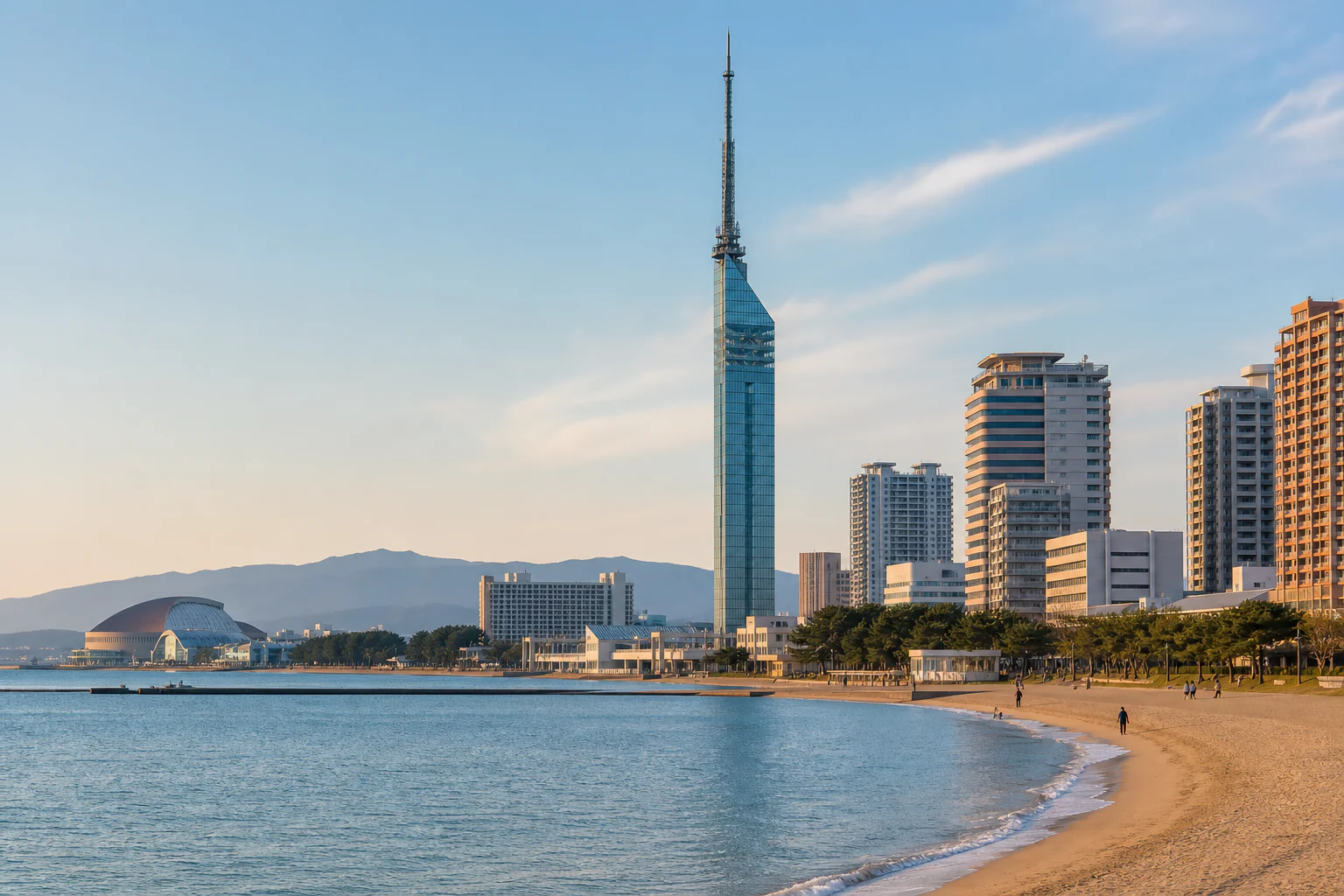 Fukuoka★ 8.6Japan's easiest big city: compact, food-obsessed and ten minutes from its airport.
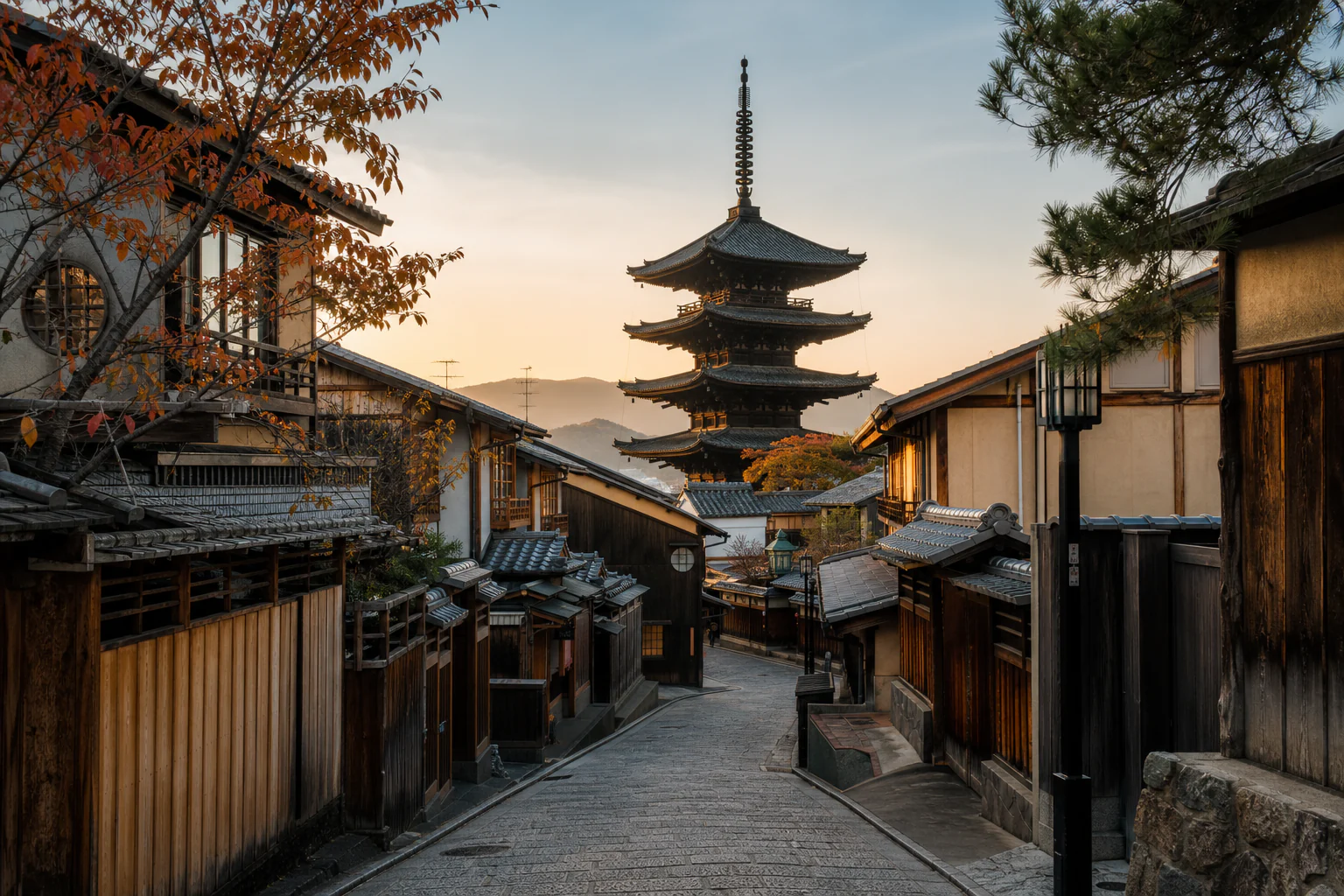 Kyoto★ 8.5Temple gardens, university neighbourhoods and focused work behind the tourist crowds.
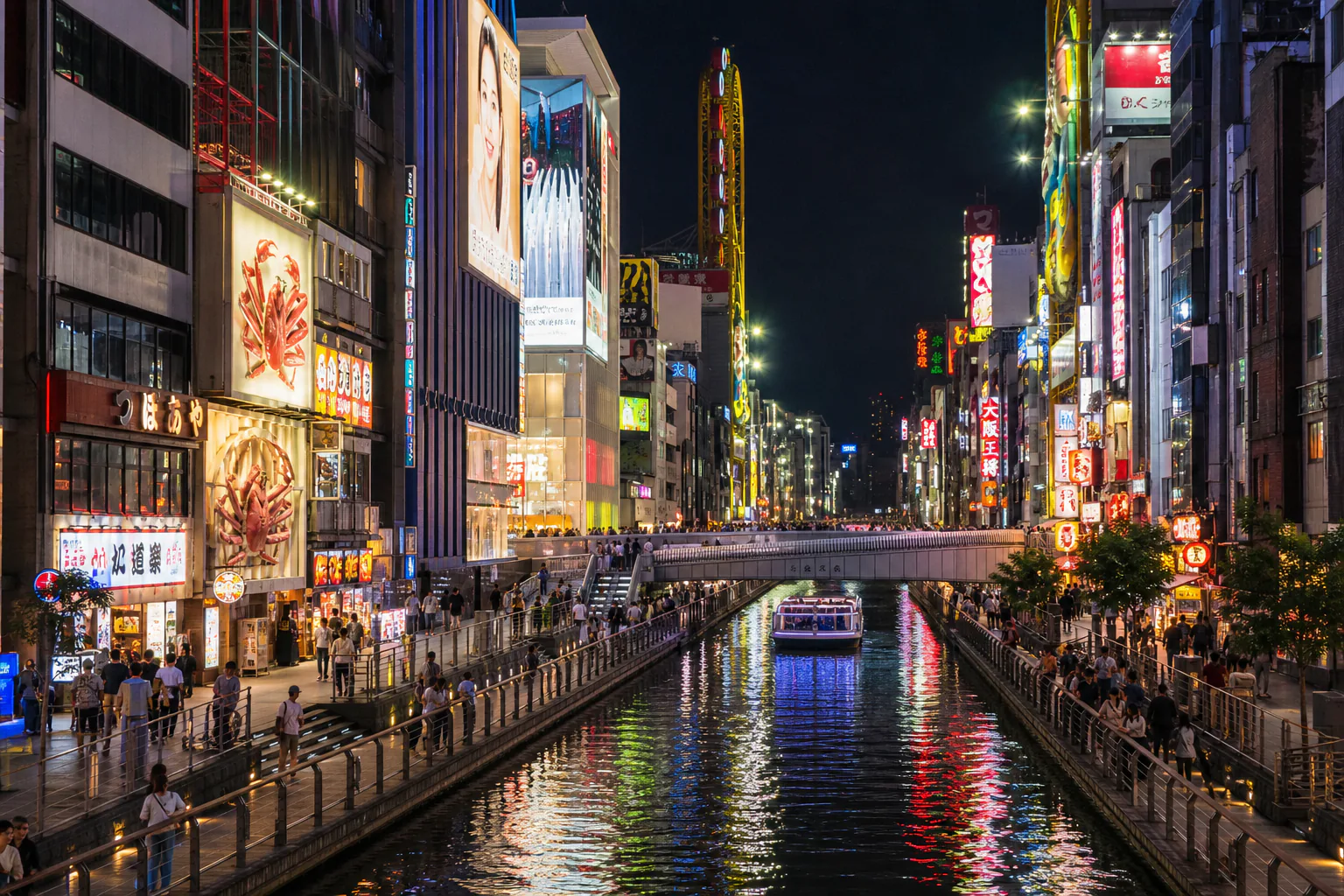 Osaka★ 8.5Tokyo's infrastructure at 70% of the price, with better food and looser manners.
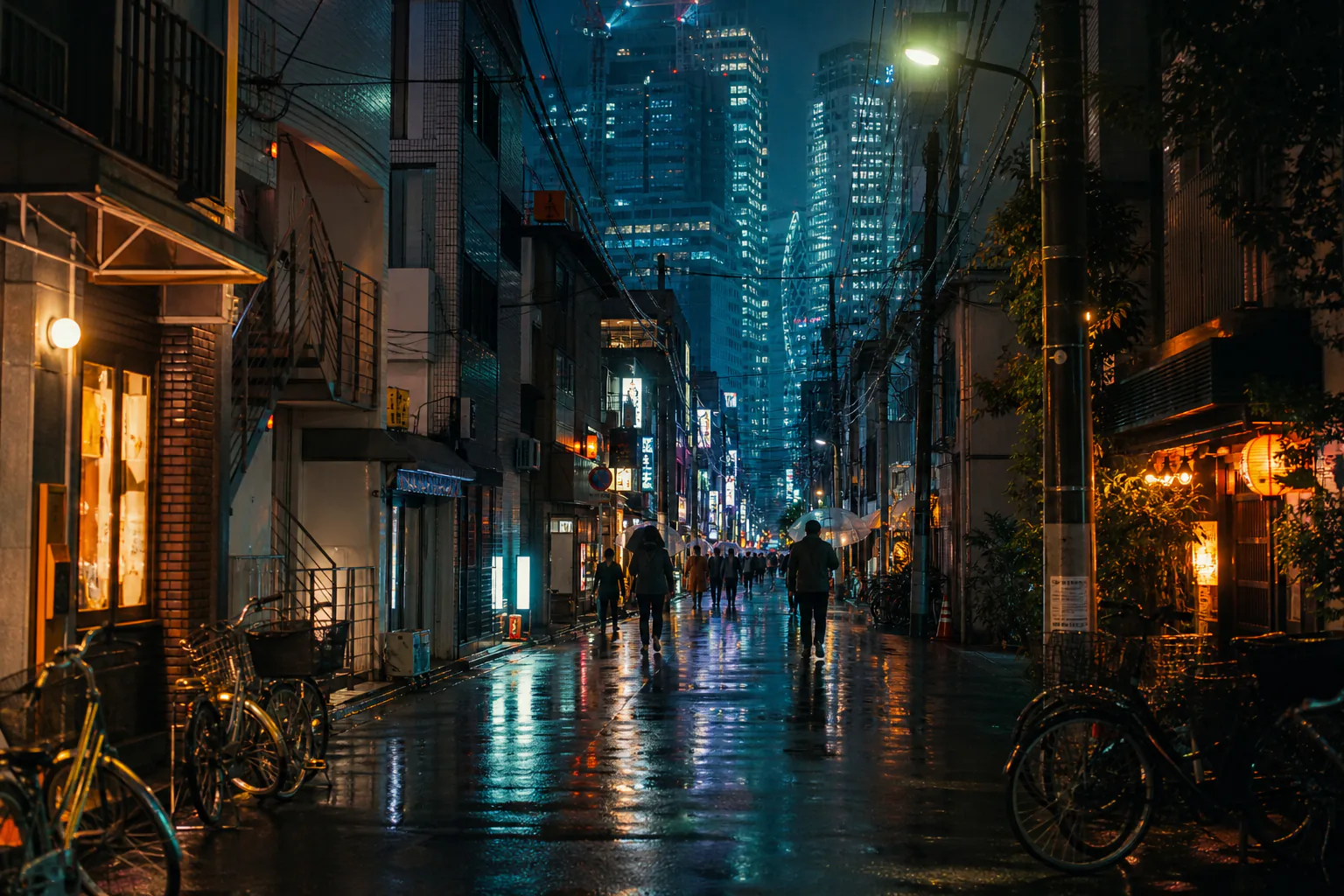 Tokyo★ 8.8The most functional city on earth, now merely expensive rather than prohibitive.3 districts
Cost of living
USD
Lean
$1,500/mo
Shared housing, local food
Comfortable
$2,600/mo
Private one-bed, coworking
Premium
$4,500/mo
Central, frequent dining
Local currency
JPY
Housing
- Studio
- $750
- 1-bed centre
- $1,150
- 1-bed outside
- $700
- Coliving room
- $700
- Airbnb monthly
- $1,500
Everyday costs
- Local meal
- $7
- Mid-range meal
- $22
- Coffee
- $4
- Groceries/mo
- $380
- Coworking day
- $20
- Hot desk/mo
- $200
- Private desk/mo
- $380
- Transit pass
- $70
- Short ride
- $12
- Scooter/mo
- $0
- Gym/mo
- $65
Japan is cheaper than its reputation for anyone earning in dollars or euros. A good lunch set costs USD 7, the metro is USD 1.50 a ride, and healthcare is inexpensive. Rent and taxis are where the money goes; short-term furnished apartments carry a significant premium over standard leases you cannot access without residency.
Internet & connectivity
Fixed line
220 Mbps
Mobile
90 Mbps
Data plan
$25/mo
eSIM
Supported
Reliability
ExcellentPublic Wi-Fi
FairPower stability
ExcellentFixed-line fibre is excellent but takes weeks to install and needs a residence card, so most nomads rely on pocket Wi-Fi or an eSIM. Free public Wi-Fi is less common than in Korea or Taiwan, and cafes often cap sessions at an hour.
Nomad community
Nomad density
MediumEnglish
PoorCoworking spaces
WeWork
$280/mo
Tokyo, Osaka, Fukuoka
The Hive Jinnan
$250/mo
Tokyo, Shibuya
Fukuoka Growth Next
$130/mo
Fukuoka
City-backed startup hub
Billage
$160/mo
Osaka
Languages spoken
Meeting people
The scene is smaller and more dispersed than in Southeast Asia, and skews toward long-term expats working for Japanese companies rather than transient nomads. Fukuoka has an unusually active startup community for its size, backed by city-level incentives.
Making local friends takes real effort and some Japanese. The expat community in Tokyo is large but fragmented across industries.
Safety
Emergency 110 (police), 119 (fire and ambulance)
At night
ExcellentSolo female
ExcellentPetty crime
ExcellentCommon scams
Touts leading tourists to bar-tab scams in Kabukicho and Roppongi
Fake monks soliciting donations near temples
Overpriced 'set' charges at izakaya that are not explained in English
Women travellers
Among the safest countries in the world for solo women. Groping on crowded trains does occur, which is why women-only carriages exist on rush-hour lines.
LGBTQ+
Socially tolerant and physically safe, but same-sex marriage is not nationally recognised. Tokyo's Shinjuku Ni-chome is the largest scene in Asia.
Violent crime is rare enough to be newsworthy. Earthquakes are the genuine hazard: learn the drill, keep a small emergency kit, and enable the government alert system on your phone.
Healthcare
Consultation
$55
Pharmacies
ExcellentPublic system
National Health Insurance covers 70% of costs but requires residency registration, which the digital nomad visa does not provide. Nomads therefore pay full price or rely on private travel insurance.
Private care
Care quality is high and prices are moderate by developed-country standards. A GP visit paid in full runs around USD 40-70. The main obstacle is language: relatively few clinics operate in English outside major cities.
Insurance
The digital nomad visa mandates private insurance covering at least JPY 10 million, roughly USD 68,000, including death and repatriation. Buy this before applying, not after; the certificate is part of the application.
Getting around
Walkability
ExcellentPublic transport
ExcellentAirports
- HNDTokyo Haneda30 min
- NRTTokyo Narita70 min
- KIXOsaka Kansai50 min
- FUKFukuoka10 min
The best public transport of any country on earth. An IC card such as Suica or ICOCA works nationwide on trains, buses and convenience stores. Shinkansen connects the main cities at 300 km/h, though it is expensive without a rail pass. Taxis are plentiful and costly.
Climate & seasons
20°C / 11°C
Humid subtropical to humid continental
Rainy season
Tsuyu in June to mid-July, then typhoon season from August to October
Air quality
Generally good. Spring brings significant cedar pollen, which affects a surprising number of people who have never had hay fever before.
Spring cherry blossom and autumn foliage are genuinely worth planning around. Winters are cold in the north and mild in Kyushu; Hokkaido has world-class snow from December to March.
All ratings
Getting in
Around 70 nationalities enter visa-free for 90 days as Temporary Visitors. A handful, including UK, German, Irish, Austrian, Swiss and Mexican passports, can extend that to six months in-country. From 2026 Japan is phasing in the JESTA electronic travel authorisation for visa-exempt travellers, so check whether it applies before booking.
Visa run options
Seoul, Taipei and Hong Kong are all two to three hours and inexpensive
UK, German, Irish, Austrian, Swiss and Mexican passport holders can extend the visa waiver to six months at an immigration bureau
The digital nomad visa requires a six-month gap before re-application, so it cannot be cycled
Tax
Residency threshold
183 days
per calendar year
Income tax
5-45% national, plus roughly 10% local inhabitant tax
Territorial system
No
Foreign income
Japan classifies residents into non-permanent and permanent. A non-permanent resident, meaning someone without Japanese domicile who has lived in Japan for five years or less within the past ten, is taxed on Japan-sourced income plus any foreign income remitted into Japan. Permanent residents are taxed on worldwide income.
For nomads
The six-month cap on the digital nomad visa keeps most holders below the threshold that would create a Japanese tax residence, which appears to be deliberate design. Remitting foreign income into a Japanese account while resident is the trap to understand.
Social security
Enrolment in national health and pension schemes follows residency registration, which digital nomad visa holders do not complete.
Informational only, not tax advice. Japan's non-permanent resident rules are unusual; take advice before any stay approaching a year.
Practicalities
Timezone
Asia/Tokyo
Drives on
Left
Voltage
100V / 50-60Hz
Plug types
Payments
More cash-dependent than any other developed country, though improving fast. IC cards, PayPay and credit cards cover most chains; small restaurants, shrines and rural businesses are often cash-only.
Tipping
Not practised and can cause genuine awkwardness. Do not tip.
Banking
Opening a bank account requires a residence card, which the nomad visa does not grant. Plan on Wise or Revolut plus an ATM card that works in 7-Eleven machines, which accept foreign cards reliably.
Alcohol
Legal from 20, widely available including in convenience stores, and drinking in public is permitted.
Local customs
Quiet is the default: no phone calls on trains, no eating while walking in most places. Remove shoes when entering homes, some restaurants and traditional accommodation. Tattoos still bar entry to many onsen and gyms.
Watch out for
No residence card on the nomad visa means no local bank account, phone contract or standard lease
You must wait six months after the nomad visa expires before applying again
Cash is still required in many restaurants, shrines and small shops
Summer in Tokyo and Osaka is 35C with brutal humidity, and typhoon season runs August to October
Apartment rentals for foreigners often require key money, a guarantor and agency fees